Your Car's Air Filter Doesn't Need to Be Changed Every 12,000 Miles — Here's What Actually Determines When It Does
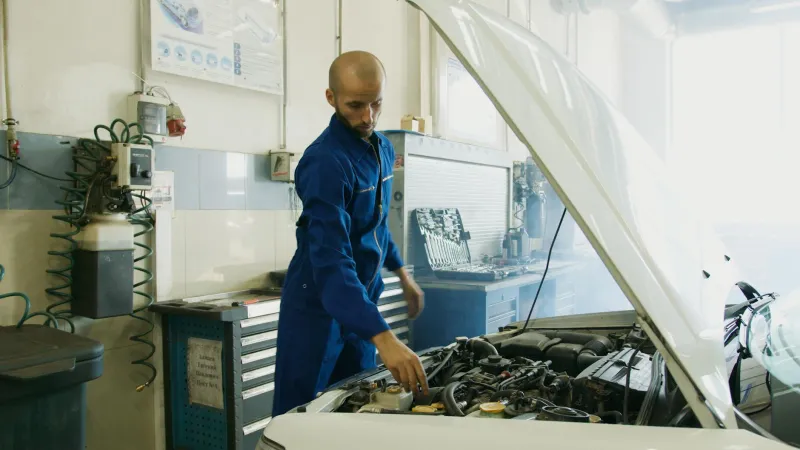
Walk into any quick-lube shop, and they'll tell you the same thing: your air filter needs replacing every 12,000 to 15,000 miles. It's presented as automotive gospel, right up there with oil changes and tire rotations. But here's what they won't tell you — that number is essentially meaningless for most drivers.
The Myth That Costs You Money
The automotive service industry has trained us to think of air filter replacement as a calendar event. Hit 12,000 miles? Time for a new filter. It's simple, predictable, and profitable for service centers. But this approach treats every car like it's driving through the same conditions, which couldn't be further from reality.
This one-size-fits-all mentality stems from manufacturer recommendations that assume worst-case driving scenarios. They're designed to cover everyone from the suburban commuter to the contractor hauling equipment down dusty construction sites. The result? Most drivers end up replacing perfectly good filters while others drive with clogged ones far too long.
What Your Air Filter Actually Does
Your engine air filter has one job: keep dirt, dust, and debris from entering your engine's combustion chambers. It's essentially a paper or synthetic barrier that allows air to flow through while trapping particles that could damage internal components.
When clean, a good filter barely restricts airflow. But as it accumulates dirt, it becomes increasingly restrictive. A severely clogged filter can reduce engine power, decrease fuel economy, and in extreme cases, allow particles to bypass the filter entirely.
The key insight? The filter's condition depends entirely on what it's been filtering, not how many miles you've driven.
Why Mileage Doesn't Tell the Whole Story
Consider two drivers: Sarah commutes 25 miles daily on paved highways through suburban Chicago, while Mike drives 15 miles through rural Texas where construction and agricultural dust are constant companions. Both rack up similar annual mileage, but Mike's filter will need replacement three times more often than Sarah's.
Environmental factors matter more than distance:
- Dust and pollen levels: Rural and agricultural areas expose filters to far more particles
- Construction zones: Even temporary exposure to construction dust can significantly load a filter
- Seasonal conditions: Spring pollen, fall leaves, and winter road salt all affect filter life
- Traffic patterns: Stop-and-go city driving actually keeps filters cleaner than highway driving through dusty areas
Some drivers in clean environments can go 30,000 miles on a single filter, while others need replacements every 6,000 miles.
The 30-Second Check That Saves You Money
Here's the reality check your service advisor won't show you: determining if your air filter needs replacement takes about 30 seconds and requires zero tools.
Pop your hood and locate the air filter housing — usually a rectangular or round plastic box connected to your engine by a large tube. Most housings have clips or screws that open without tools. Pull out the filter and hold it up to a light source.
A clean filter allows light to pass through easily. If you can't see light through the filter material, or if it's visibly loaded with dirt and debris, it's time for replacement. If light passes through clearly and the filter looks relatively clean, you're good to go regardless of mileage.
Why the Service Industry Perpetuates the Mileage Myth
Service centers love mileage-based maintenance because it's predictable revenue. They can schedule your next visit, order parts in advance, and build service packages around fixed intervals. It's much harder to sell maintenance based on actual need.
The "severe service" designation in your owner's manual covers most real-world driving, but many drivers never realize this. Short trips, stop-and-go traffic, extreme temperatures, and dusty conditions all qualify as severe service — and most of us drive under these conditions regularly.
The Real Replacement Strategy
Instead of following arbitrary mileage intervals, base air filter replacement on actual condition and your driving environment. Check your filter every few months, or have it inspected during oil changes. Replace it when it's visibly dirty or restricting airflow, not because a calendar says so.
For most drivers in typical suburban environments, this approach extends filter life significantly while ensuring optimal engine protection. You'll spend less money and avoid unnecessary waste while maintaining your engine properly.
The Bottom Line
Your car's air filter replacement schedule should be based on what it's actually filtering, not arbitrary mileage numbers designed for worst-case scenarios. A simple visual inspection tells you more about filter condition than any service interval ever could. Stop letting mileage dictate your maintenance — start letting actual need guide your decisions instead.