The Mileage Number Everyone Trusts Is Only Telling Half the Story
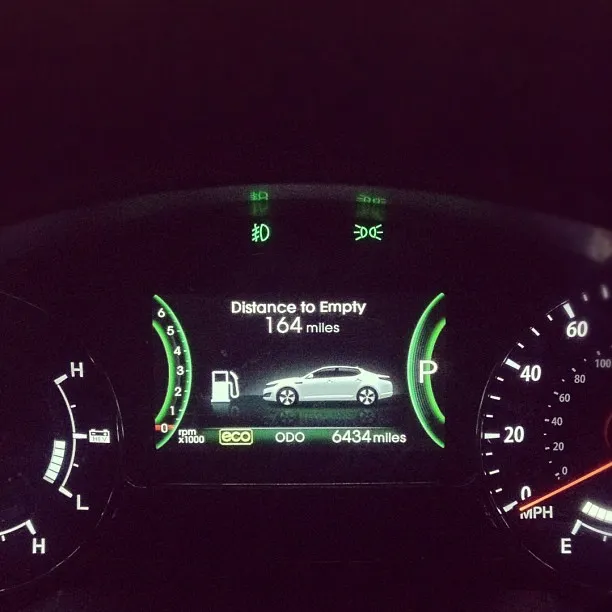
Photo: Tony Webster, CC BY-SA 3.0, via Wikimedia Commons
There's a number that rules the used car market more than any other. It shows up in every listing, gets announced by every salesperson, and shapes what buyers are willing to pay before they've even seen the car in person. That number is mileage — and for most shoppers, it functions as the single most important signal of a used car's worth.
Low miles? The car must be in great shape. High miles? Hard pass.
The problem is that the odometer was never designed to measure condition. It measures distance. Those are two very different things, and confusing them is one of the most expensive mistakes you can make when buying or selling a used vehicle.
What the Odometer Actually Measures
An odometer does one job: it counts how many miles the wheels have turned. That's it. It doesn't know if those miles happened on a smooth Florida highway at a steady 65 mph, or on a rutted mountain road in Colorado with the engine straining up every grade. It doesn't know if the car was driven every day for five years or sat in a garage for eight months at a stretch. It doesn't know whether the oil was changed every 5,000 miles or every 15,000.
Mileage tells you how far a car traveled. It tells you almost nothing about how hard the car worked to get there.
Two cars sitting side by side with 80,000 miles on the clock can be in completely different mechanical states. One might be a highway commuter that was serviced religiously and never pushed hard. The other might be a delivery vehicle that spent years in stop-and-go traffic, running cold engines on short trips, with brakes that were half-worn by 40,000 miles. The odometer reads the same. The mechanical reality does not.
The Low-Mile Trap Nobody Warns You About
Buyers tend to get excited about low-mileage cars, and sellers know it. A car with 30,000 miles on a 10-year-old body often commands a significant price premium — sometimes thousands more than a higher-mileage version of the same model.
But here's the thing: cars are built to be driven. Engines circulate oil when they run. Seals and gaskets stay pliable with regular heat cycles. Brakes clear surface rust when they're used. A car that sits for long stretches — even in a garage — is quietly deteriorating in ways the odometer will never reflect.
Rubber components dry out. Fuel systems develop deposits. Batteries discharge. Tires develop flat spots and sidewall cracks. Brake rotors rust in ways that go beyond surface oxidation. A car with 28,000 miles that spent half its life parked may actually need more immediate attention than a 90,000-mile car that was driven steadily and maintained on schedule.
Low mileage isn't automatically a red flag, but it should trigger questions — not automatic confidence.
What Actually Tells You More Than the Odometer
If mileage is a weak signal, what are the stronger ones? A few things worth paying attention to:
Maintenance records. This is the closest thing to a mechanical biography a car can have. Consistent oil changes, fluid services, and scheduled maintenance at appropriate intervals tell you far more about how a car was treated than any number on the dash. A car with 110,000 miles and a complete service history is often a better bet than a 55,000-mile car with a blank folder.
Vehicle history reports. Services like Carfax or AutoCheck pull title records, accident reports, and reported odometer readings over time. They're not perfect, but they can reveal patterns — like a car that jumped ownership multiple times in a short window, or one that was previously registered as a rental or fleet vehicle.
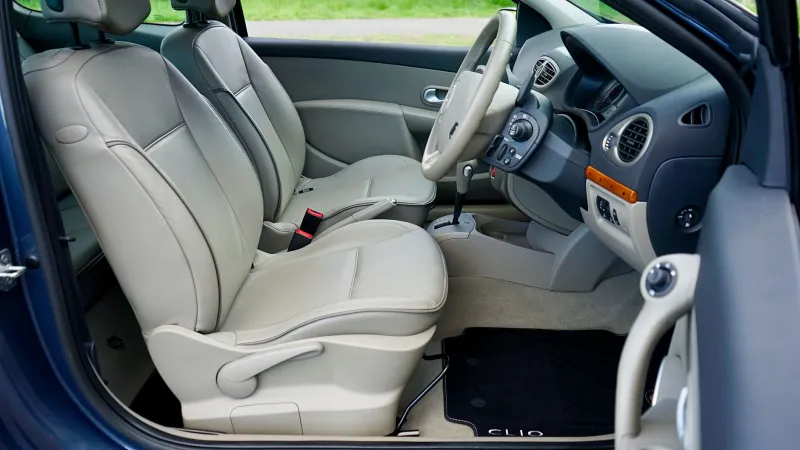
Wear patterns that don't match the mileage. Pedal rubber, steering wheel grip, driver's seat bolsters — these things wear in ways that are hard to fake. A car claiming 40,000 miles with a driver's seat that looks like it survived a decade of daily use is worth a second look.
Inspection from an independent mechanic. Before buying any used car, paying $100 to $150 for a pre-purchase inspection from a shop that has no stake in the sale is one of the most cost-effective things you can do. A trained eye will find things no odometer reading ever could.
Why the Mileage Myth Persists
So why do buyers keep treating mileage like the final word on a car's condition? Part of it is simplicity. Mileage is a single number that's easy to compare. It's clean, objective, and doesn't require any mechanical knowledge to read. In a world where most people feel uncertain about cars, having one number to anchor a decision feels reassuring.
The used car market has also built itself around the mileage assumption for decades. Pricing guides factor mileage heavily into their valuations. Listings lead with it. Dealerships know that low-mileage cars sell faster and easier, so they market accordingly.
The number is easy. The real story behind it takes a little more digging.
The Takeaway
The odometer isn't lying to you. It's just answering a different question than the one you actually need answered. Distance traveled is a piece of the puzzle — not the whole picture. The next time you're evaluating a used car, try thinking of mileage as a starting point for questions rather than a verdict. Ask how those miles were accumulated, how the car was cared for along the way, and whether the wear you can see matches the number you're being shown. That's where the real story lives.