Why Your Perfectly Maintained Car Lost More Value Than Your Neighbor's Neglected One
The Maintenance Myth That Costs Owners Thousands
Every car forum, dealer, and automotive expert will tell you the same thing: maintain your vehicle properly and it will hold its value. Change the oil on schedule, keep detailed records, and you'll be rewarded when it's time to sell.
It's logical advice that feels absolutely true. It's also largely irrelevant to what your car will actually be worth.
The Market Forces You Never Considered
While you were diligently following your maintenance schedule, much larger forces were determining your car's future value. Gas prices, model redesigns, safety recalls, and even cultural shifts were quietly working for or against your investment.
Take the Toyota Prius. A meticulously maintained 2010 model holds significantly more value than a perfectly maintained 2010 Hummer H3, despite both being well-cared-for vehicles. The difference? One benefits from ongoing fuel efficiency concerns, while the other suffers from changing attitudes toward large SUVs.
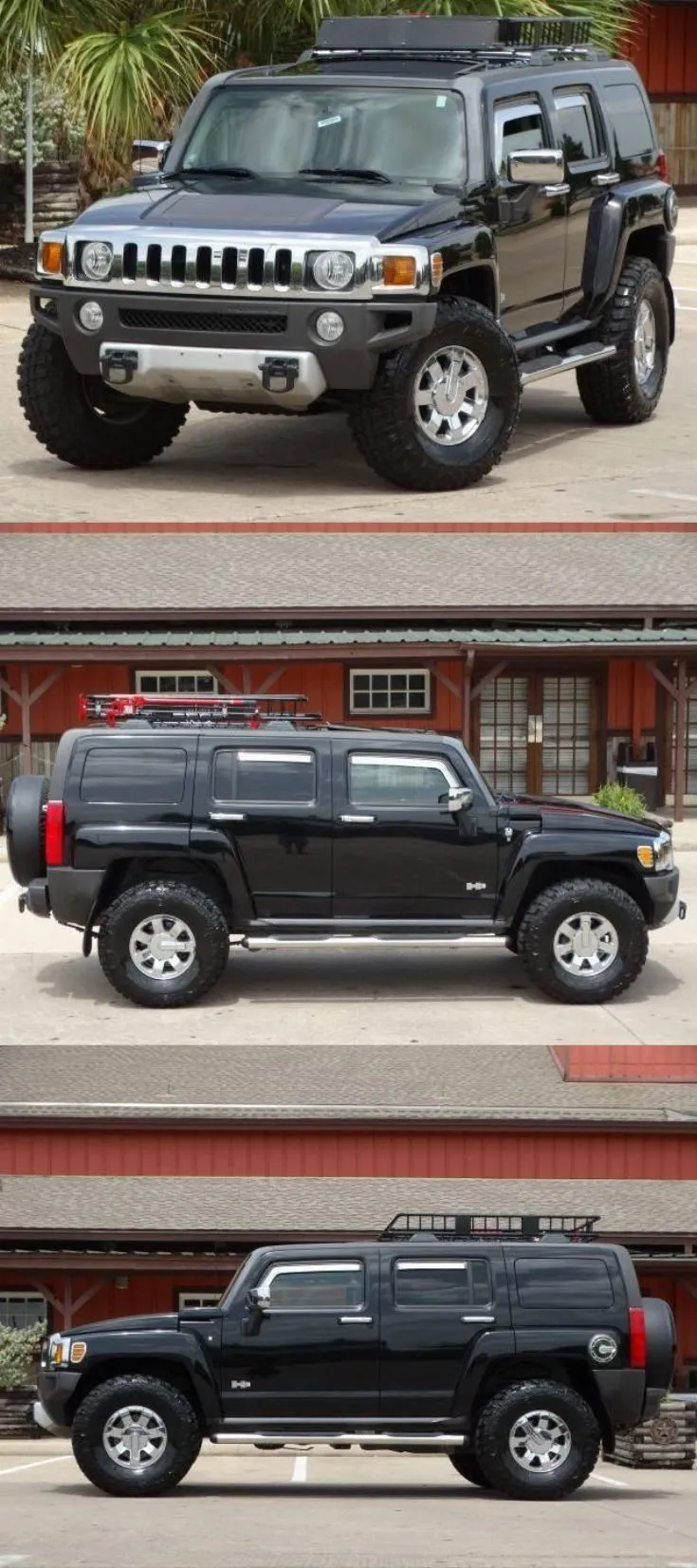 Photo: Hummer H3, via i.pinimg.com
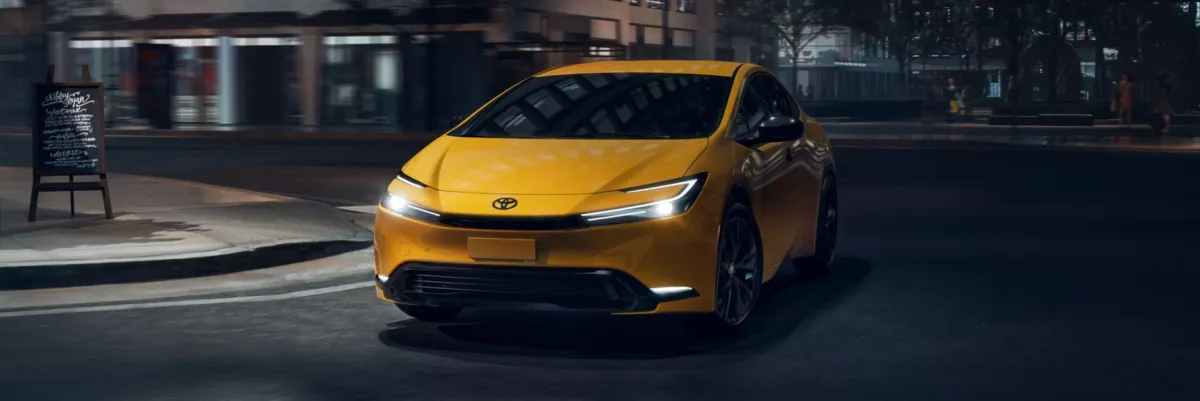 Photo: Toyota Prius, via di-sitebuilder-assets.dealerinspire.com
Color Choices Matter More Than Oil Changes
Here's something no maintenance guide mentions: your car's color affects resale value more than most mechanical factors. Neutral colors like white, black, and silver consistently outperform bold choices like bright yellow or lime green.
A yellow Mustang might be mechanically perfect, but it will sit on dealer lots longer than an identical black one. Dealers know this, and they adjust their trade-in offers accordingly.
The Model Year Timing Trap
Buying in the wrong model year can devastate resale value regardless of how well you maintain the vehicle. Cars purchased just before a major redesign often lose value faster than those bought after the refresh.
A 2017 Honda Civic bought new lost value more slowly than a 2016 model with identical maintenance, simply because the 2017 represented the newer generation. Your service records can't overcome being stuck with the "old" design.
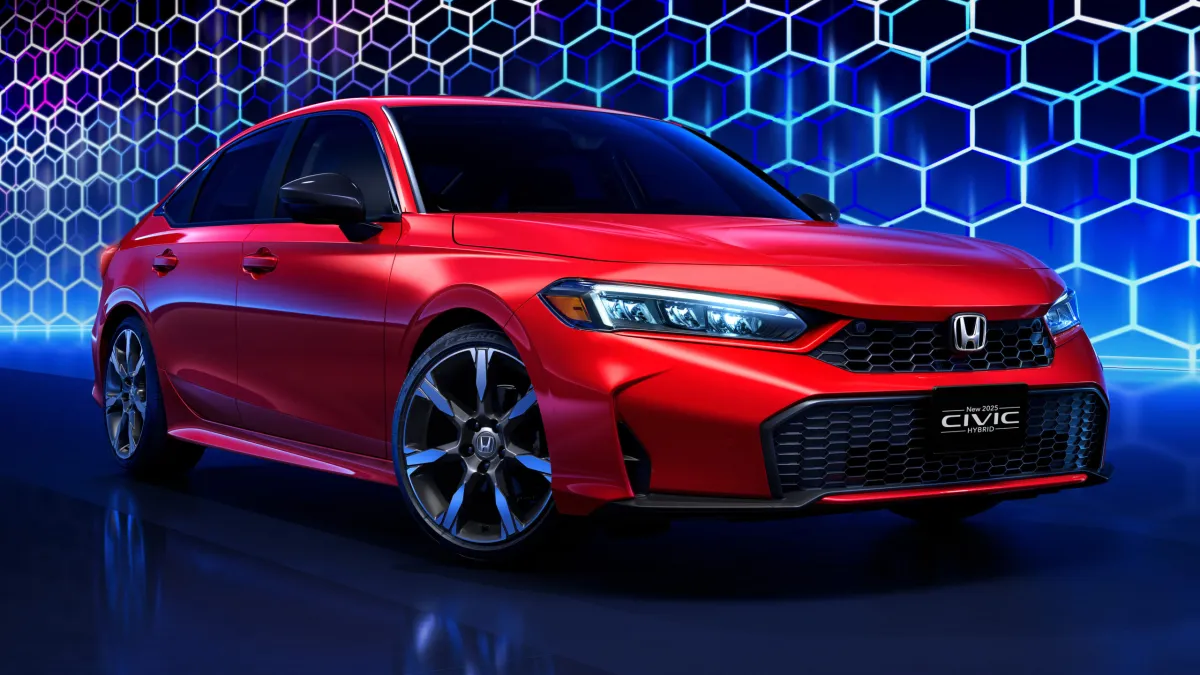 Photo: Honda Civic, via www.motortrend.com
Why Luxury Cars Break All the Rules
Maintenance matters least in the luxury segment, where depreciation follows completely different patterns. A BMW or Mercedes will lose 50-60% of its value in the first three years regardless of maintenance quality, because luxury buyers typically want the latest features and technology.
Meanwhile, a basic Honda Civic with minimal maintenance often holds value better than a pampered luxury sedan, because the Civic's buyer prioritizes reliability and economy over having the newest infotainment system.
The Technology Obsolescence Factor
No amount of oil changes can save a car from technological obsolescence. Vehicles without smartphone integration, backup cameras, or modern safety features lose value faster than those with current technology, even if the older car runs perfectly.
This explains why a well-maintained 2015 car without Android Auto might be worth less than a 2017 model with higher mileage but better tech features.
Regional Market Realities
Your maintenance records mean nothing if you're trying to sell the wrong car in the wrong place. Convertibles lose value faster in northern climates, while trucks hold value better in rural areas than urban ones.
A perfectly maintained sports car in Minnesota will struggle against market preferences for all-wheel drive vehicles, regardless of how detailed your service history might be.
The Mileage Misconception
Even mileage—the factor most owners obsess over—matters less than you'd expect. A highway-driven car with 80,000 miles often has less wear than a city-driven car with 40,000 miles, but the odometer reading is what buyers see first.
Moreover, extremely low mileage can actually hurt value in some cases. A 10-year-old car with only 20,000 miles raises questions about long periods of non-use, which can be harder on some components than regular driving.
What Actually Protects Your Investment
This doesn't mean maintenance is worthless—it just means it's not the primary value driver most people believe it to be. Proper maintenance prevents major breakdowns and keeps your car functional, which is valuable in itself.
But if protecting resale value is your goal, research model redesign cycles before buying, choose popular colors, and consider market trends in your area. These factors will influence your car's worth far more than whether you changed the transmission fluid at exactly 60,000 miles.
The Real Truth About Car Ownership
Cars are depreciating assets, and trying to minimize that depreciation through maintenance alone is like trying to stop rain with an umbrella that's too small. The bigger forces—market preferences, technological change, and economic conditions—will ultimately determine what your vehicle is worth.
Maintain your car because it's the right thing to do for reliability and safety. Just don't expect those service records to shield you from the realities of automotive depreciation.