That Rust on Your Car Started Where You Never Think to Look — And It's Been Growing for Years
The Rust You Can See Isn't the Problem
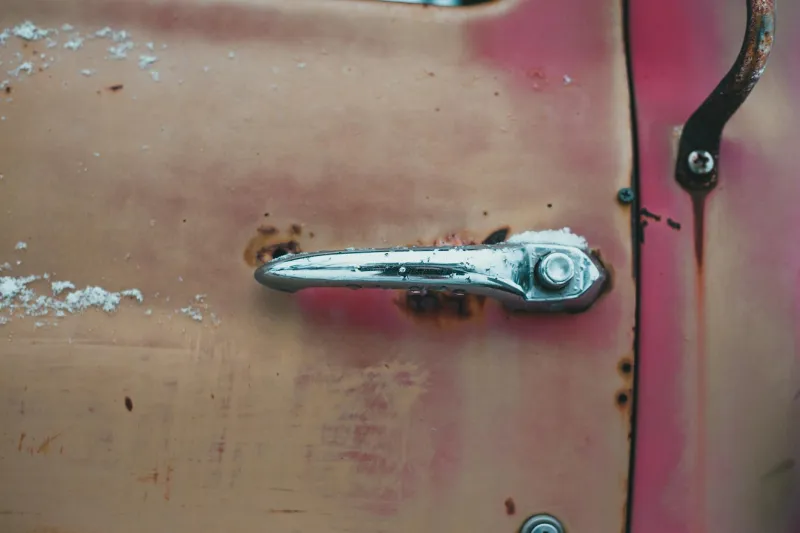
Walk through any parking lot and you'll spot drivers frantically touching up paint chips, convinced they're preventing rust from taking hold. Meanwhile, the real corrosion battle is already lost — happening in places no touch-up pen will ever reach.
Most car owners operate under a simple assumption: rust starts on the surface where paint gets damaged, then works its way inward. Rain hits a scratch, salt gets into a chip, and gradually the metal underneath begins to corrode. It's logical, observable, and completely backwards.
The truth is more unsettling. By the time you see rust bubbling through your paint, the metal has been deteriorating from the inside for months or even years.
Where Rust Actually Begins
Modern cars are built with countless hollow spaces — inside door frames, rocker panels, quarter panels, and structural supports. During manufacturing, these cavities inevitably trap moisture, whether from humidity in the factory, condensation during shipping, or water that seeps in through drainage holes that become clogged over time.
Unlike the exterior surfaces that dry quickly after rain, these hidden areas stay damp for extended periods. There's no airflow, no sunlight, and no way for moisture to evaporate efficiently. It's the perfect environment for electrochemical corrosion to begin.
The process starts at weld seams and joints where different metals meet, or where the protective coating is thinnest. Once corrosion begins in these sealed spaces, it spreads outward through the metal structure itself. The rust you eventually see breaking through the paint is actually the final stage of damage that started from within.
Why Surface Protection Misses the Mark
This inside-out corrosion explains why meticulous car owners sometimes discover extensive rust damage despite babying their vehicle's exterior. You can wax monthly, touch up every chip immediately, and garage your car religiously — but if moisture is trapped in the body cavities, the deterioration continues regardless.
Professional body shops understand this reality. When they repair rust damage, they don't just sand and repaint the visible area. They cut away the affected metal to expose the full extent of corrosion, often revealing damage that extends far beyond what was visible on the surface.
The automotive industry knows about this problem too. That's why newer vehicles include more sophisticated drainage systems, better sealing at joints, and improved cavity wax treatments applied during manufacturing. But millions of older cars on the road were built before these improvements became standard.
The Real Prevention Strategy
If hidden moisture causes the most damaging rust, then effective prevention focuses on managing that moisture rather than just protecting painted surfaces.
Keeping drainage holes clear is crucial but often overlooked. These small openings at the bottom of doors and rocker panels are designed to let trapped water escape. When they clog with debris, water accumulates in areas that should stay dry.
Aftermarket cavity wax treatments can help, but only if applied properly and before significant corrosion begins. These waxy coatings are designed to penetrate body cavities and displace moisture, but they can't reverse damage that's already started.
Regular undercarriage washing — especially during winter months in salt-belt states — removes corrosive materials before they can work their way into seams and joints. But this needs to happen frequently during the worst weather, not just once or twice per season.
Why This Misconception Persists
The surface-rust myth persists because it matches what we can observe and control. Paint chips are visible, touch-up paint is readily available, and the cause-and-effect relationship seems obvious. It gives car owners a sense of agency in protecting their investment.
Hidden corrosion, by contrast, feels helpless. You can't see it developing, can't easily prevent it, and can't fix it once it starts without major repairs. It's easier to focus on the rust you can see and convince yourself you're addressing the real problem.
Automotive marketing reinforces this misconception. Paint protection products, rust converters, and touch-up solutions are heavily advertised because they're profitable and appeal to drivers' desire to take visible action against rust.
The Uncomfortable Truth
Once you understand how automotive corrosion really works, those small rust spots breaking through your paint tell a different story. They're not the beginning of a problem you can still solve — they're evidence that significant structural damage has already occurred where you can't see it.
This doesn't mean exterior paint care is worthless, but it puts the effort in perspective. A few paint chips won't doom your car, but trapped moisture in body cavities eventually will. The real battle against rust happens in places most drivers never think to look, using prevention strategies that aren't nearly as satisfying as touching up a visible scratch.
Understanding where rust actually starts changes how you evaluate a used car, plan maintenance priorities, and think about long-term vehicle protection. Sometimes the hidden real is more important than what's right in front of you.