Your Car's Check Engine Light Doesn't Mean Pull Over — Here's How to Tell When It Actually Does
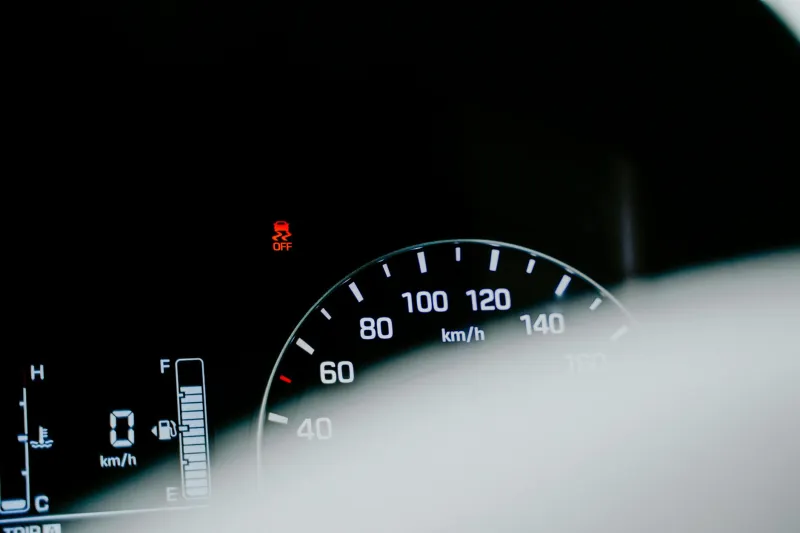
Your Car's Check Engine Light Doesn't Mean Pull Over — Here's How to Tell When It Actually Does
Picture this: You're cruising down the highway when suddenly that dreaded amber light illuminates on your dashboard — the check engine light. Your heart rate spikes, you start imagining catastrophic engine failure, and you're already mentally calculating towing costs. Sound familiar?
Here's what most drivers don't realize: that little yellow warning isn't the automotive equivalent of a fire alarm. In fact, the vast majority of check engine light triggers are about as urgent as a reminder to change your air filter.
The Great Check Engine Light Misunderstanding
The common belief goes something like this: check engine light equals immediate danger, pull over now, call a tow truck. This reaction is so ingrained that some drivers won't even finish their grocery shopping trip when the light comes on.
But here's the reality: automotive engineers designed two distinct types of check engine warnings for a reason. A steady, solid check engine light typically indicates a minor issue that needs attention but doesn't require immediate action. Think of it as your car's way of saying "hey, something's not quite right, but we can talk about it later."
The problems that trigger a steady light are often surprisingly mundane. A loose gas cap accounts for roughly 10% of all check engine light incidents. Other common culprits include a faulty oxygen sensor, a worn spark plug, or even a temporary glitch in one of your car's many sensors. None of these will leave you stranded on the roadside.
When the Light Actually Means Business
Now, there's one check engine light scenario that genuinely demands immediate attention: when it flashes or blinks rapidly. This is your car's equivalent of shouting "EMERGENCY!" A flashing check engine light indicates that unburned fuel is entering the exhaust system, which can damage your catalytic converter — an expensive component that can cost $1,000 to $3,000 to replace.
When you see that flashing light, you should indeed pull over safely and shut off the engine. This isn't automotive paranoia; it's protecting yourself from a repair bill that could rival a decent used car's value.
But here's the kicker: most drivers can't tell the difference between a steady light and a flashing one when they're already in panic mode. They see yellow, they think disaster, and they react accordingly.
Why We Panic Over a Dashboard Light
This overreaction stems from a perfect storm of automotive anxiety and outdated information. Older cars from the 1980s and 1990s were far less sophisticated in their diagnostic capabilities. When something went wrong, it often meant genuine trouble. Modern vehicles, however, monitor hundreds of systems and sensors, alerting you to issues that previous generations of cars would have simply ignored until they became major problems.
The automotive service industry hasn't helped matters either. Some less scrupulous shops capitalize on check engine light panic, treating every illuminated warning as an urgent, expensive repair. This creates a feedback loop where drivers associate the light with immediate crisis and costly fixes.
Media portrayals don't help either. Movies and TV shows love the dramatic tension of a dashboard full of warning lights, usually right before the car breaks down spectacularly. Real life is considerably more boring — and that's actually good news for your wallet.
What You Should Actually Do
When your check engine light comes on and stays steady, take a breath. You can safely drive to your destination and schedule an appointment with your mechanic within the next few days or week. Your car isn't going to explode, and you're not risking catastrophic damage by continuing to drive normally.
That said, pay attention to how your car feels and sounds. If the engine is running roughly, making unusual noises, or you notice a significant decrease in power, those are separate issues that warrant more immediate attention — regardless of what your dashboard lights are doing.
For the flashing light scenario, the rule is simple: pull over when safe to do so, turn off the engine, and call for help. Don't try to "make it home" or push through to your destination.
The Bottom Line
Your check engine light is more like a polite tap on the shoulder than a fire alarm. Modern cars are remarkably good at protecting themselves from serious damage, and the diagnostic systems are designed to alert you to problems long before they become critical.
The next time that amber light appears on your dashboard, remember: steady means "schedule an appointment," flashing means "pull over now." Understanding this simple distinction can save you from unnecessary roadside anxiety and help you make informed decisions about your car's care.
So the next time your check engine light comes on during your morning commute, finish driving to work. Your engine will be just fine, and your stress levels will thank you for the rational response.