That Mileage Number Everyone Obsesses Over? It's Not What's Actually Destroying Your Car's Value
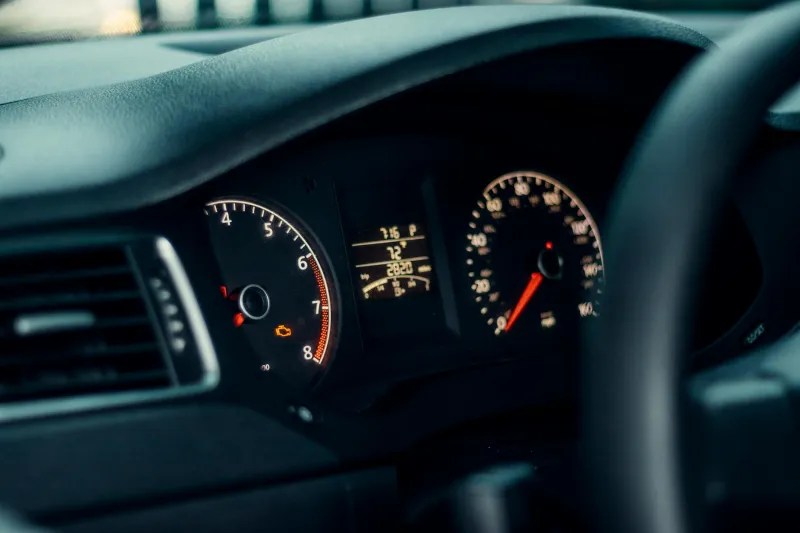
Walk into any garage in America and you'll find someone who drives their car as little as possible, convinced they're protecting their investment. They take the bus to work, avoid road trips, and celebrate when their odometer stays frozen for weeks. The logic seems bulletproof: fewer miles equals higher resale value.
Except it doesn't work that way.
The Mileage Myth That Costs Money
The obsession with low mileage stems from decades-old conventional wisdom that made sense when cars regularly died at 100,000 miles. Today's vehicles routinely reach 200,000 miles with proper care, but the old thinking persists. Car owners still treat their odometer reading like a stock ticker, watching every mile with anxiety.
Meanwhile, they're ignoring the factors that actually determine what buyers will pay.
What Dealers Actually Look For First
Used car dealers and private buyers follow a predictable inspection routine, and mileage isn't their starting point. They begin with what's immediately visible: paint condition, interior wear, and overall cleanliness. A car with faded paint, cracked dashboard plastic, or worn seat bolsters signals poor care regardless of the odometer reading.
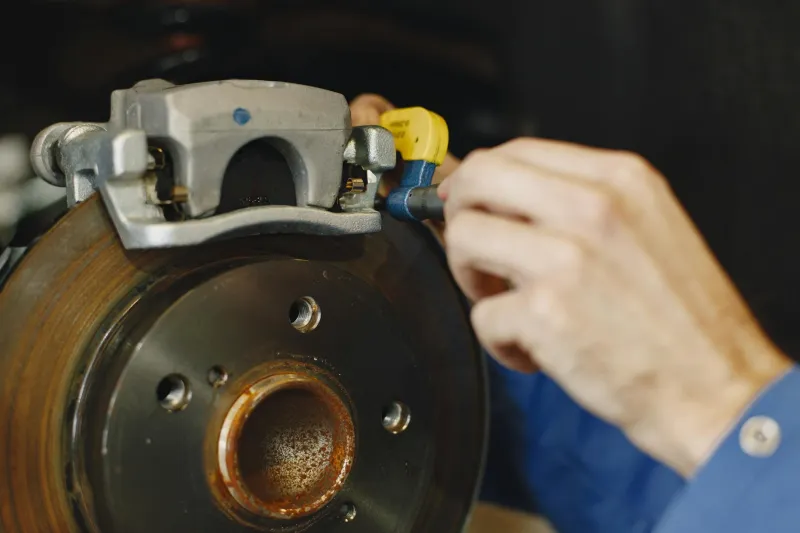
Next comes the maintenance history. Complete service records trump low mileage every time. A vehicle with 80,000 miles and documented oil changes, brake services, and timing belt replacements will outsell a 40,000-mile car with no maintenance documentation. Buyers understand that neglected vehicles develop expensive problems that aren't always visible during a quick inspection.
The Service Record Reality
Maintenance documentation tells a story that mileage can't. Regular oil changes every 5,000-7,500 miles suggest an owner who followed manufacturer guidelines. Receipts for major services like transmission fluid changes or coolant system flushes indicate someone who invested in long-term reliability rather than just keeping the car running.
Conversely, a low-mileage vehicle with sparse maintenance records raises red flags. Maybe the previous owner changed oil annually whether the car needed it or not. Maybe they ignored manufacturer service intervals because "the car barely gets driven." These maintenance gaps often cost the next owner thousands in catch-up repairs.
Why High-Mileage Cars Sometimes Win
Highway miles actually benefit mechanical components. Engines operating at consistent temperatures and RPMs experience less wear than city-driven vehicles that endure constant stop-and-go cycles. A car with 90,000 highway miles might have less internal engine wear than a 50,000-mile city vehicle.
Buyers who understand automotive wear patterns often prefer higher-mileage highway vehicles over low-mileage city cars. The highway miles indicate steady, consistent use rather than harsh urban driving conditions.
The Visible Wear Factor
Interior condition reveals more about vehicle care than odometer readings. Worn pedals, faded steering wheels, and stretched seat fabric indicate heavy use regardless of recorded mileage. Conversely, well-preserved interiors suggest careful ownership even on higher-mileage vehicles.
Paint condition follows similar logic. Sun damage, parking lot dings, and oxidation accumulate over time rather than miles. A garaged vehicle with 80,000 miles often looks better than a 30,000-mile car that's spent its life in outdoor parking.
The Documentation Advantage
Ownership history provides crucial context that mileage alone cannot. Single-owner vehicles with complete records command premium prices because buyers can verify the car's entire story. Multi-owner vehicles with gaps in documentation raise questions about hidden problems or deferred maintenance.
Title records matter too. Clean titles with no accident history outweigh mileage concerns for most buyers. A 70,000-mile car with a clean title will typically outsell a 40,000-mile vehicle with accident history.
When Mileage Actually Matters
Extremely high mileage—beyond 150,000 miles—does impact value, but not as dramatically as most owners expect. Well-maintained vehicles with 180,000 miles still find buyers who appreciate documented care over arbitrary mileage limits.
Extremely low mileage can also work against value. Cars driven less than 3,000 miles annually often develop problems from sitting idle: dried seals, stale fluids, and corroded components. Buyers sometimes prefer moderate-mileage vehicles that show regular use.
The Real Value Killers
Accident damage, deferred maintenance, and poor storage conditions destroy resale value far more effectively than mileage. A car that's been flooded, crashed, or neglected will struggle to find buyers regardless of odometer readings.
Missing keys, non-functioning accessories, and aftermarket modifications also reduce value significantly. Buyers prefer original, complete vehicles over modified or partially-equipped ones.
The Takeaway
Stop limiting your driving to preserve resale value. Instead, maintain your vehicle properly, keep detailed service records, and protect it from environmental damage. A well-cared-for car with 90,000 miles will consistently outperform a neglected low-mileage vehicle in the resale market.
Your car is a tool designed for transportation, not a museum piece. Use it appropriately while maintaining it properly, and the resale value will take care of itself.