Your Car Feels Like It's Fighting You? The Problem Isn't Under the Hood
Your car used to glide down the highway with effortless power. Now it feels like you're pushing a shopping cart with a stuck wheel. The accelerator response seems delayed, steering feels heavy, and the whole vehicle has lost that smooth, eager quality you remember.
Your first instinct? Engine trouble. Time for an expensive diagnostic session and potentially costly repairs.
Except experienced mechanics rarely start with the engine when investigating sluggish performance.
The Engine Assumption That Costs Money
The connection seems logical: poor performance equals engine problems. This assumption sends thousands of drivers to repair shops every week, requesting engine diagnostics for symptoms that have nothing to do with combustion, compression, or fuel delivery.
Meanwhile, the actual causes are often sitting in plain sight, affecting how the car interacts with the road rather than how it generates power.
What Mechanics Check First
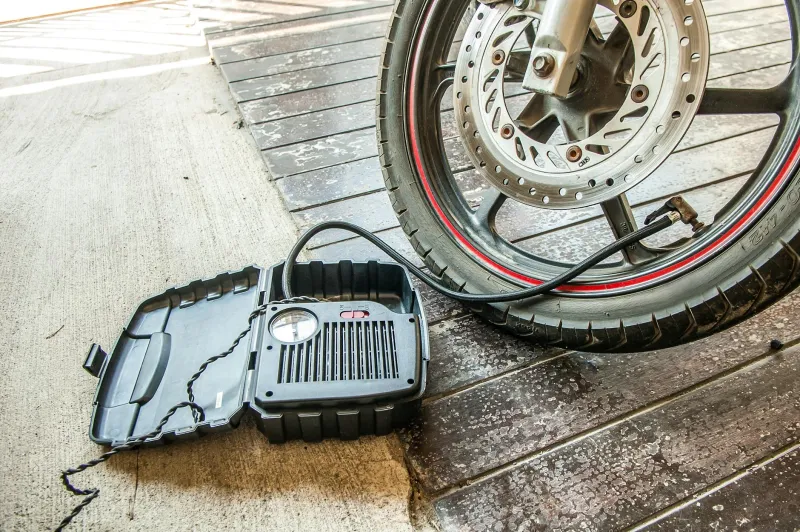
Professional technicians follow a systematic approach that starts with the most common causes of sluggish performance. They begin with tire pressure, not engine compression. Underinflated tires create rolling resistance that makes every mile feel like uphill driving.
Even a 10 PSI drop from recommended pressure can make a noticeable difference in how the car responds to throttle input. The engine works harder to maintain speed, but the problem isn't engine weakness—it's increased road resistance.
The Invisible Brake Drag
Sticking brake calipers or dragging brake pads create constant resistance that mimics engine problems perfectly. The symptoms are identical: sluggish acceleration, reduced fuel economy, and that heavy, labored feeling during normal driving.
Brake drag often develops gradually, so drivers adapt without realizing performance has degraded. A simple test involves checking if wheels feel unusually warm after driving—a clear sign of brake components that aren't fully releasing.
Wheel Alignment's Hidden Impact
Misaligned wheels don't just cause uneven tire wear; they create constant resistance that the engine must overcome. When wheels aren't pointing in the same direction, the car essentially fights against itself with every mile.
This resistance manifests as sluggish performance, increased fuel consumption, and steering that feels heavier than normal. The engine runs perfectly, but it's working against geometry that's fighting forward motion.
The Fuel System Reality
When fuel delivery problems do cause sluggish performance, the issue usually isn't dramatic engine failure—it's clogged fuel injectors or a partially blocked fuel filter. These problems create lean fuel mixtures that reduce power output without obvious symptoms like rough idling or check engine lights.
Fuel injector cleaning or filter replacement often restores performance completely, costing far less than the engine overhaul that worried owners anticipate.
Air Intake Restrictions
A severely clogged air filter can create performance problems that feel like engine weakness. When the engine can't breathe properly, it produces less power and responds poorly to throttle input.
This problem develops gradually as the filter accumulates debris, so drivers often don't notice the progressive performance loss until it becomes significant.
Transmission Troubles That Mimic Engine Issues
Slipping transmission components or torque converter problems create symptoms identical to engine weakness: poor acceleration, delayed response, and reduced power delivery. The engine produces normal power, but the transmission fails to transfer it effectively to the wheels.
This distinction matters because transmission problems require completely different diagnostic approaches and repair strategies than engine issues.
The Diagnostic Logic Mechanics Use
Experienced technicians start with simple, common causes before investigating complex engine problems. They check tire pressure, inspect brake components for drag, and verify wheel alignment before connecting expensive diagnostic equipment.
This approach saves time and money because most sluggish performance complaints stem from these basic mechanical issues rather than internal engine problems.
Environmental Factors That Affect Performance
Extreme temperatures, high altitude, and humidity changes can make cars feel sluggish without indicating mechanical problems. Cold weather thickens fluids and reduces battery efficiency. High altitude reduces air density, affecting engine power output.
These environmental effects are temporary and normal, not signs of developing mechanical issues.
When the Engine Actually Is the Problem
Genuine engine problems that cause sluggish performance usually come with additional symptoms: rough idling, unusual noises, visible exhaust smoke, or illuminated warning lights. Pure performance loss without these accompanying signs typically points to the simpler causes mechanics check first.
The Maintenance Connection
Many sluggish performance issues stem from deferred maintenance rather than component failure. Dirty air filters, old transmission fluid, underinflated tires, and overdue brake service all contribute to that heavy, unresponsive driving experience.
Regular maintenance prevents these problems from accumulating and creating the perception of major mechanical issues.
The Cost-Effective Approach
Before requesting expensive engine diagnostics, address the simple possibilities: check tire pressure, inspect brake components, and verify that basic maintenance is current. These steps often restore normal performance at a fraction of the cost of engine work.
The Takeaway
That sluggish, heavy feeling doesn't automatically mean engine trouble. Start with the basics—tires, brakes, and alignment—before assuming expensive internal problems. Your engine is probably fine; it's just working against preventable resistance that's easy and affordable to eliminate.