That Number on Your Tire Sidewall? Stop Using It to Set Your Tire Pressure
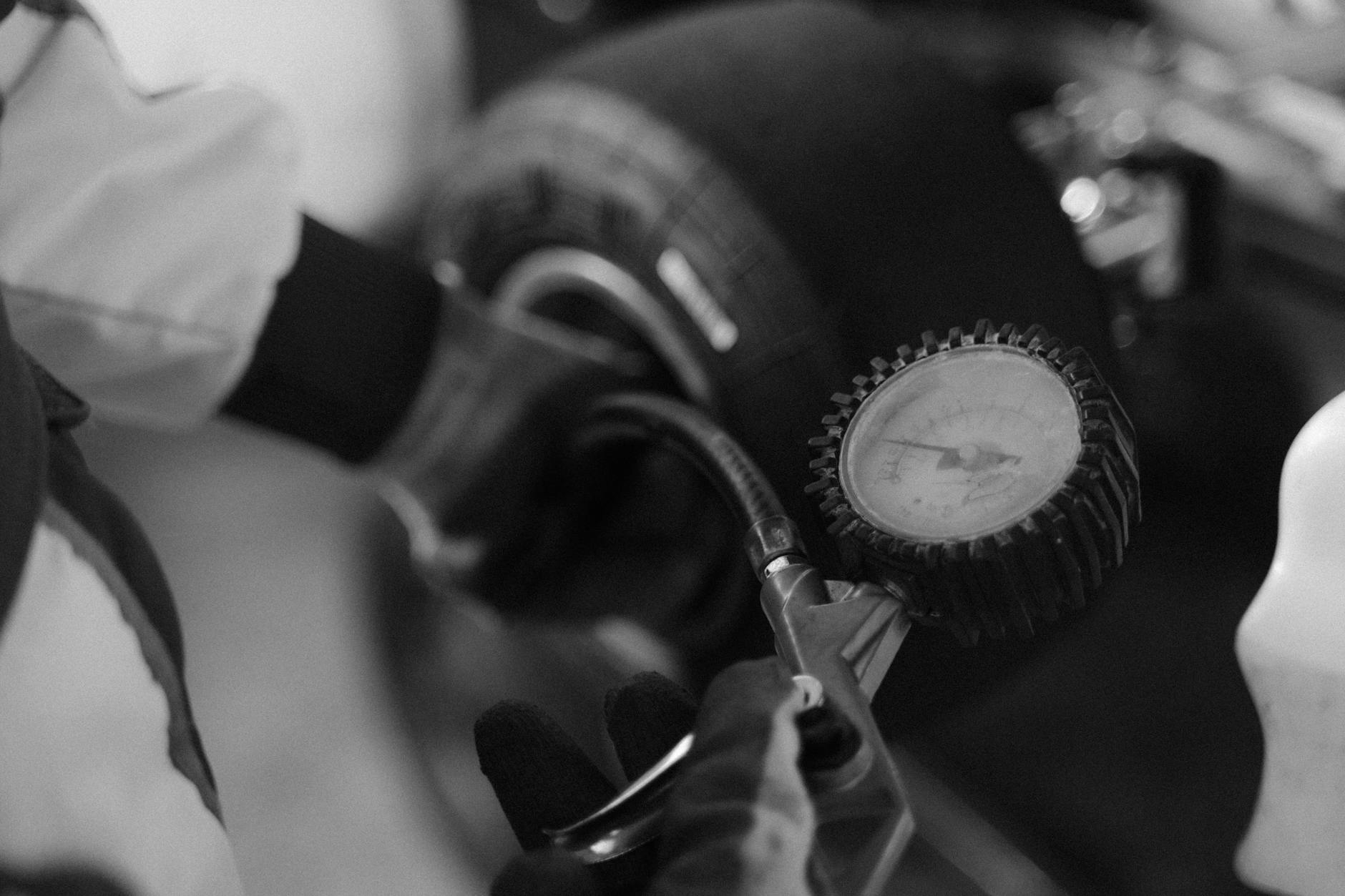
That Number on Your Tire Sidewall? Stop Using It to Set Your Tire Pressure
Here's a scenario that plays out in driveways and gas stations across America every single day. Someone pulls out a tire gauge, checks the reading against the number molded into the side of the tire, and walks away feeling like a responsible car owner. The problem? That number on the sidewall isn't the target pressure for your vehicle. It's the maximum pressure the tire is designed to handle — and those are two very different things.
This one misunderstanding is so common that it barely gets talked about, which is exactly why it keeps causing problems.
Where the Confusion Starts
Tire sidewalls are covered in technical information — load ratings, speed ratings, manufacturing codes, and yes, a PSI number. That number, usually somewhere between 44 and 51 PSI on a standard passenger tire, gets read as the answer to the question "how much air should I put in my tires?" It's right there on the tire, so it seems logical.
But that figure represents the maximum inflation pressure the tire structure can safely contain — not the recommended operating pressure for your specific car. Running your tires at or near that maximum can actually cause problems of its own, including reduced traction, a harsher ride, and uneven wear in the center of the tread.
The number that actually matters for your safety and your car's performance is determined by the vehicle manufacturer, not the tire manufacturer.
So Where Is the Right Number?
The correct PSI recommendation for your car lives in one of two places: on a sticker inside the driver's side door jamb, or in your owner's manual. That sticker — small, easy to overlook, but genuinely important — lists the front and rear tire pressures your vehicle was designed to run on. For most passenger cars and SUVs, that number falls somewhere between 30 and 35 PSI, though it varies by vehicle.
Some vehicles specify different pressures for the front and rear axles, especially trucks and SUVs that carry heavier loads in the back. A few models also recommend higher pressure when the car is fully loaded with passengers or cargo. These aren't suggestions — they're engineering specs that affect handling, braking distance, and fuel efficiency.
The Cold Tire Problem Nobody Talks About
Even drivers who know to use the door jamb number often make a second mistake: checking tire pressure after they've already been driving.
Tire pressure is directly affected by temperature. As tires heat up from road friction and ambient warmth, the air inside expands and pressure rises — sometimes by 4 to 6 PSI above the cold reading. If you check pressure after a 20-minute highway drive and get a reading of 33 PSI, you might think you're right on target. But once those tires cool down, you could actually be sitting at 27 or 28 PSI — meaningfully underinflated.
The industry standard is to check tire pressure when tires are "cold," meaning the car has been parked for at least three hours or driven less than a mile at low speed. First thing in the morning before you leave the house is the ideal time.
Why Underinflation Is More Dangerous Than It Looks
This is the part that catches most people off guard: a tire that's 8 to 10 PSI underinflated can look completely normal to the naked eye. The sidewall bulge that signals a flat tire doesn't become visible until pressure drops dramatically. So a tire running at 24 PSI when it should be at 32 PSI can appear perfectly fine during a casual walkthrough inspection.
Underinflated tires flex more than they should with each rotation, generating excess heat. That heat degrades the rubber compounds and internal structure over time. It also increases rolling resistance, which quietly drags down your fuel economy — the U.S. Department of Energy estimates that tires underinflated by just 1 PSI can reduce gas mileage by about 0.2 percent. Across all four tires, across thousands of miles, that adds up.
More urgently, underinflation is a contributing factor in tire blowouts, particularly at highway speeds. The failure often happens suddenly, with little warning.
A Simple Habit That Actually Protects You
The fix here is genuinely easy. Once a month — or before any long road trip — take five minutes to check all four tires with a quality gauge when the car has been sitting overnight. Compare your readings to the number on the door jamb sticker, not the tire sidewall. If you're low, add air. If you're over the recommended pressure, let a small amount out.
Don't forget the spare while you're at it. A flat spare sitting in your trunk is one of the most common car ownership surprises people encounter at the worst possible moment.
The Real Takeaway
Tire pressure is one of those maintenance tasks that feels simple until you realize how many people are doing it with the wrong reference point. The sidewall number isn't your target — it's a ceiling. Your door jamb sticker has the actual answer, and cold tires give you the accurate reading. Get those two things right, and you've quietly made your car safer, more fuel-efficient, and easier on the tires themselves.
Sometimes the hidden real story is hiding in plain sight, stamped right on the side of your tire — just meaning something completely different from what most of us assume.