Stop Letting Your Car Idle in the Driveway on Cold Mornings — It's Not Doing What You Think
Stop Letting Your Car Idle in the Driveway on Cold Mornings — It's Not Doing What You Think
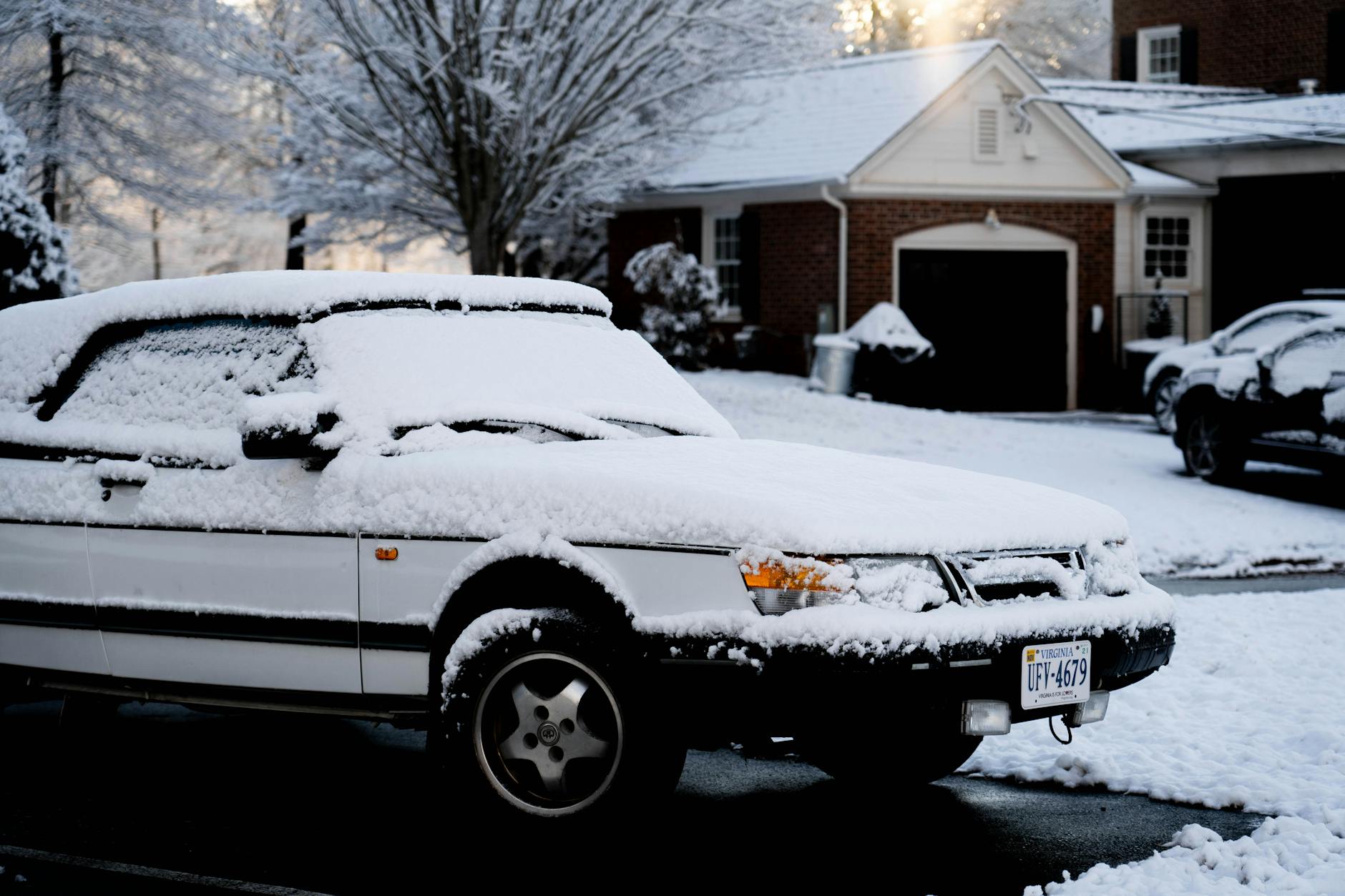
It's 18 degrees outside. You grab your keys, head out to the driveway, start the car, and go back inside to finish your coffee. Five, maybe ten minutes later, you climb into a warm cabin and drive away — confident you've done right by your engine.
This is a ritual for millions of Americans, especially in the Midwest, the Northeast, and anywhere else winter shows up with serious intentions. It feels like common sense. It might even be something your dad taught you.
Here's the uncomfortable part: for virtually every car sold in the United States since the early 1990s, that idling routine isn't protecting your engine. And in some specific ways, it's creating problems the ritual was never supposed to cause.
Where the Advice Actually Came From
The warm-up habit has real, legitimate roots — they're just about 40 years out of date.
Before the late 1980s, most gasoline-powered vehicles used a carburetor to mix air and fuel before it entered the engine. Carburetors are mechanical devices, and they don't handle cold temperatures gracefully. In cold weather, a carbureted engine genuinely needed time to warm up before it could idle smoothly, let alone handle the demands of actual driving. Rushing it meant stalling, rough running, and real wear on the system.
So the advice to let your car warm up before driving was, at the time, correct. It made sense. It got passed down.
The problem is that carburetors largely disappeared from American passenger vehicles by the late 1980s and early 1990s, replaced by electronic fuel injection. Fuel injection systems are controlled by a computer that monitors engine temperature in real time and adjusts the fuel mixture accordingly — automatically, instantly, and far more precisely than any carburetor ever could.
The reason you needed to warm up your car no longer exists. But the habit survived the technology that made it necessary.
What a Modern Engine Actually Needs
A fuel-injected engine does need to warm up before it performs at its best — that part is still true. Cold oil is thicker and takes a moment to circulate fully. Metal components expand slightly as they reach operating temperature. The engine management system runs in a slightly different mode until the engine warms up.
But here's the thing: the fastest and most effective way to warm up a modern engine is to drive it gently.
When you idle in your driveway, the engine warms up slowly because it's doing almost no work. When you drive — calmly, without hard acceleration for the first few minutes — the engine reaches operating temperature significantly faster, oil circulates more effectively, and all the moving parts get up to speed under real conditions rather than sitting still.
Most mechanics and engineers suggest that 30 to 60 seconds of idling is plenty before you start moving. Enough for oil to begin circulating. Enough for the most basic systems to stabilize. After that, a gentle drive does more good than another four minutes in the driveway.
The Part Nobody Talks About: What Prolonged Idling Can Actually Do
This is where the story gets a little more uncomfortable for people who've been warming up their cars for years.
When a cold engine idles for an extended period, the fuel injection system runs a richer mixture — more fuel than the engine can completely combust. Some of that unburned fuel can wash down onto the cylinder walls, where it dilutes the thin film of oil that protects those surfaces. Over time, that's not great for engine longevity.
There's also the fuel system itself. Prolonged cold idling puts the fuel injectors through repeated cycles of delivering fuel that isn't fully burned, contributing to carbon deposits over the long run.
None of this means that warming up your car occasionally will destroy your engine. It won't. But the idea that idling is a form of engine protection is essentially backwards — you're not protecting it, you're adding minor, unnecessary wear while burning fuel and sending exhaust into your neighborhood for no real benefit.
In states with anti-idling laws — and there are several, including New York, New Jersey, and Colorado — there's a legal dimension too, though enforcement is typically aimed at commercial vehicles.
The Practical Correction
None of this means you have to sacrifice a warm cabin on a January morning. Remote starters are enormously popular for a reason, and running your car for a couple of minutes to take the edge off the interior cold is a perfectly reasonable use of them. The key difference is duration.
A minute or two? Fine. Practically harmless. Five to ten minutes of idling before every cold-weather drive, day after day, winter after winter? That's a habit built on advice designed for a different era of engine technology.
The updated version of the rule is simpler than the old one: start the car, give it about a minute, then drive gently for the first few miles. Your engine will warm up faster, wear more evenly, and use less fuel in the process.
Your dad's advice made complete sense when he gave it. The cars just changed.