That Little 'E' on Your Gas Gauge Is Lying to You — In the Best Possible Way
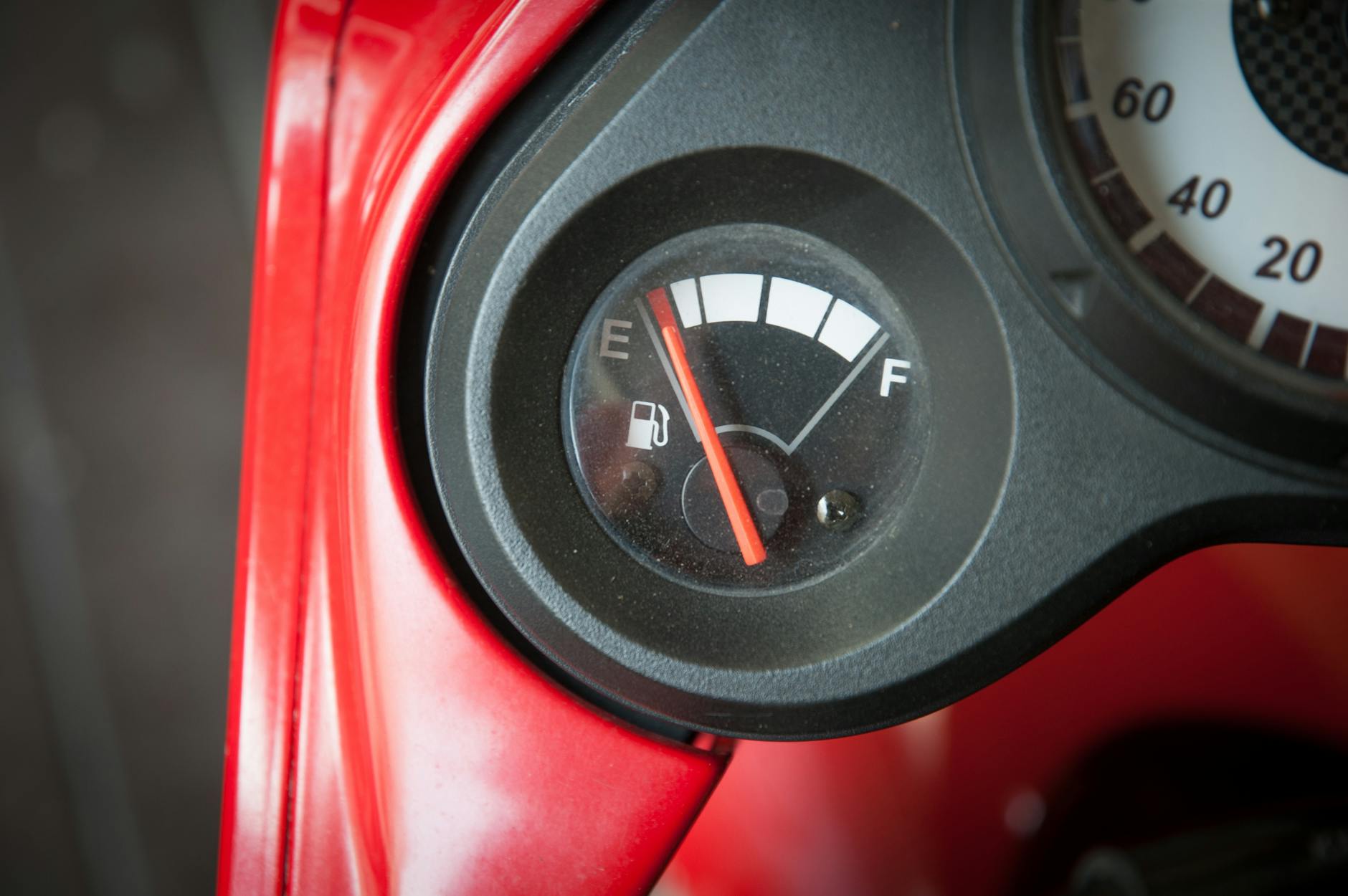
That Little 'E' on Your Gas Gauge Is Lying to You — In the Best Possible Way
Picture this: you're cruising down the highway somewhere between exits, the low-fuel light blinks on, and your stomach drops. You grip the wheel a little tighter, scan for the nearest gas station sign, and silently negotiate with your car. Just a few more miles. Please.
Here's the thing — your car has almost certainly been holding out on you.
That 'E' on your fuel gauge doesn't mean what most people think it means. It never really did.
The Buffer You Didn't Know You Had
Automakers have been engineering a deliberate fuel reserve into vehicles for a long time. When your gauge reads empty, there's typically somewhere between one and three gallons still sitting in your tank — unused, unannounced, and very much available.
The exact amount varies depending on the make, model, and year of your vehicle. A compact sedan might hold about one gallon in reserve. A full-size SUV or truck could have closer to two or three. Some manufacturers are more generous than others, but the principle is consistent across the industry: 'E' is not the bottom of the tank. It's a warning zone.
Why? Because engineers know that drivers don't always have immediate access to a gas station. Running a fuel system completely dry can introduce air into the fuel lines, damage the fuel injectors, and — critically — overheat the fuel pump. Building in a buffer is a practical engineering decision designed to protect both the driver and the vehicle.
So Why Does the Light Come On When It Does?
The low-fuel warning light and the 'E' marker aren't always triggered at the same point, and they're not the same thing as truly empty. Most modern vehicles are programmed to illuminate the warning light somewhere between 30 and 50 miles worth of fuel remaining, though that estimate shifts depending on how you're driving — highway cruising versus stop-and-go city traffic will eat through that buffer at very different rates.
Some manufacturers even publish the reserve capacity in the owner's manual, though almost nobody reads that section. A quick search of your car's year, make, and model along with the phrase "fuel reserve" will usually surface a reliable answer within a few minutes.
Apps like GasBuddy or even Google Maps can help you locate the nearest station when you're running low, so there's less reason than ever to white-knuckle it.
Here's the Catch — Don't Make a Habit of It
Now, before you start treating your gas tank like a game of chicken, there's an important asterisk here.
Knowing you have a reserve is useful in a pinch. Consistently running your tank down to the wire is a different story.
The fuel pump in most modern cars is located inside the gas tank itself, and it relies on the surrounding fuel to keep it cool. Gasoline isn't just combustion material — it's also a coolant for that pump. When you regularly run on fumes, the pump is essentially working in a low-coolant environment, generating heat it can't shed properly. Over time, that thermal stress accelerates wear and can lead to premature pump failure.
Fuel pump replacement isn't a cheap fix. Depending on the vehicle, you're looking at anywhere from $400 to over $1,000 at a shop, including parts and labor. That's a steep price for a habit that's easy to break.
There's also a secondary issue: sediment. Over years of use, small particles and debris tend to settle at the very bottom of a gas tank. Running the tank down repeatedly pulls that sediment toward the fuel pump and filter more aggressively than normal operation would. It's a slow, cumulative problem — the kind you don't notice until something actually fails.
The Practical Takeaway
Think of the 'E' marker less as a cliff edge and more as a yellow light at an intersection. It's a heads-up, not a crisis. You have a little room to work with.
A good rule of thumb that many mechanics quietly recommend: try not to let your tank drop below a quarter full on a regular basis. It keeps the fuel pump cool, minimizes sediment exposure, and means you're never in that sweaty, white-knuckle situation on the interstate.
If you want to know exactly how much reserve your specific vehicle carries, check your owner's manual or look up your car's specifications online. It's the kind of detail that takes two minutes to find and genuinely changes how you think about that little orange light.
Your car has been looking out for you this whole time. Returning the favor is pretty simple.