The 'All-Season' Tire Label That's Been Misleading Drivers for Decades
The Name That Promises Everything and Delivers Compromise
Walk through any tire shop in America and you'll see them everywhere: tires boldly labeled "All-Season." The name suggests these tires are engineered to handle summer heat, winter snow, spring rain, and fall leaves with equal competence.
It's one of the most successful marketing terms in automotive history—and one of the most misleading.
What 'All-Season' Actually Certifies
The all-season designation isn't regulated by any government agency or independent testing organization. It's essentially a manufacturer's promise that their tire will function adequately across a range of temperatures and conditions, without excelling in any particular scenario.
Think of it like a Swiss Army knife approach to tire design. Just as a Swiss Army knife's scissors won't cut as well as dedicated scissors, an all-season tire won't grip as well in snow as a winter tire or handle as precisely in dry conditions as a summer tire.
The Winter Performance Reality Check
Here's where the all-season myth becomes dangerous. Independent testing by organizations like AAA consistently shows that all-season tires require 30-40% more distance to stop on snow compared to dedicated winter tires.
In a real-world scenario, this means an all-season tire might need 300 feet to stop from 60 mph on a snowy road, while a winter tire accomplishes the same stop in 200 feet. That extra 100 feet could be the difference between a close call and a collision.
The Rubber Compound Compromise
The fundamental problem lies in tire rubber chemistry. Summer tires use compounds that remain flexible and grippy in hot weather but become hard and slippery when temperatures drop below 45°F. Winter tires use softer compounds that stay flexible in cold but wear quickly in heat.
All-season tires split the difference with medium-hardness compounds that never quite optimize for either extreme. They're like wearing a light jacket year-round—better than being naked in winter, but not as effective as a proper coat when it's truly cold.
Why the Label Persists Despite Its Problems
The all-season concept thrived because it solved a uniquely American problem: tire storage. Unlike Europeans, who commonly swap between summer and winter tires, most Americans lack garage space or inclination to store an extra set of tires.
The all-season tire promised convenience—one set that could handle the occasional snow day without requiring seasonal swaps. For many drivers in moderate climates, this compromise made practical sense, even if it wasn't optimal.
The Geographic Reality Gap
All-season tires work reasonably well in places like Southern California or Florida, where temperatures rarely drop below freezing and snow is virtually nonexistent. But the same tire that's adequate in Miami becomes questionably safe in Minneapolis.
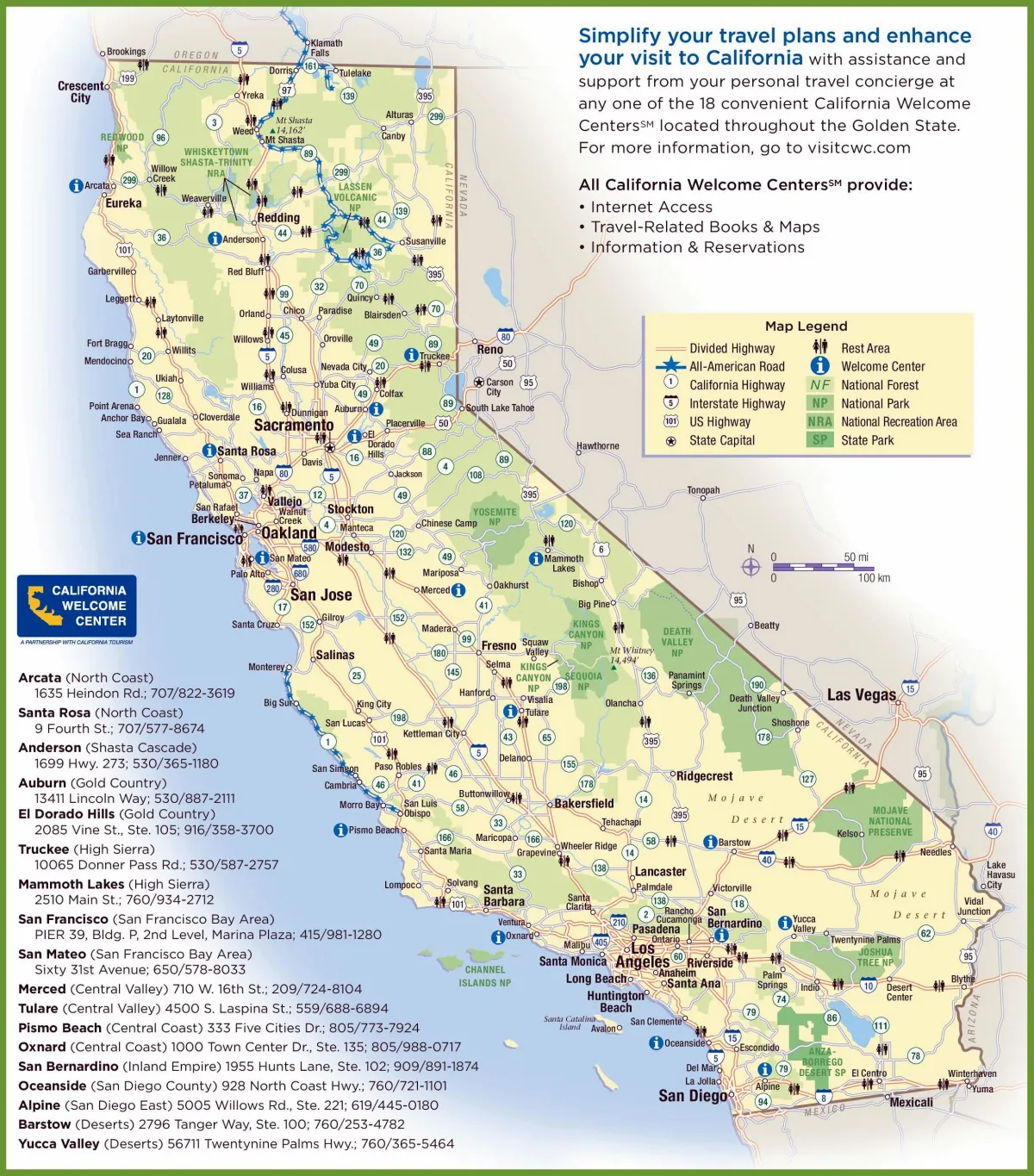 Photo: Southern California, via www.orangesmile.com
Yet tire manufacturers market the same "all-season" products nationwide, leaving drivers in snow-prone regions believing they're properly equipped when they're actually running tires optimized for completely different conditions.
The Tread Pattern Illusion
Many all-season tires feature aggressive-looking tread patterns that suggest winter capability. Deep grooves and angular blocks look like they should bite into snow, and they do provide some improvement over summer tires.
But tread pattern is only part of the winter performance equation. The rubber compound's ability to stay flexible in cold temperatures matters more than tread design, and this is where all-seasons fundamentally compromise.
When All-Season Makes Sense (And When It Doesn't)
All-season tires aren't inherently bad—they're just misunderstood. They work well for drivers in mild climates who occasionally encounter light snow or rain. They're also practical for people who can't or won't maintain two sets of tires.
But if you regularly drive in snow, ice, or temperatures below freezing, dedicated winter tires provide a significant safety advantage that all-seasons simply can't match. The stopping distance difference alone justifies the inconvenience of seasonal tire swaps.
The Three-Season Alternative
Some tire manufacturers now offer "three-season" tires that acknowledge the compromise more honestly. These tires are designed for spring, summer, and fall use, with the understanding that winter requires different equipment.
It's a more honest approach that doesn't promise universal competence. Unfortunately, most Americans still gravitate toward the all-season label because it sounds more comprehensive.
Reading Between the Marketing Lines
When evaluating all-season tires, look beyond the name to actual performance ratings. The mountain snowflake symbol indicates tires that have passed standardized winter traction tests, while the M+S (Mud and Snow) marking is largely unregulated.
Also consider your actual driving conditions. If you see snow more than a few days per year, or if winter temperatures in your area regularly drop below 45°F, the all-season compromise may not be worth the safety trade-offs.
The Bottom Line on Seasonal Tire Reality
The all-season tire represents one of the automotive industry's most successful marketing compromises—a product that promises universal capability while delivering universal mediocrity. For many American drivers, that compromise works fine.
But understanding what "all-season" actually means helps you make informed decisions about tire safety rather than assuming the marketing label tells the whole story.