The Everyday Habits That Are Quietly Draining Thousands From Your Car's Trade-In Value

Photo: car appraiser inspecting used vehicle at dealership, via c8.alamy.com
The Everyday Habits That Are Quietly Draining Thousands From Your Car's Trade-In Value
Most people believe that keeping up with oil changes and running a vacuum through the cabin every few weeks is enough to protect a car's resale value. And while maintenance records definitely matter, there's an entire category of damage that appraisers notice immediately — damage caused not by neglect, but by perfectly normal everyday habits that nobody ever warned you about.
Dealers aren't going to bring this up. They benefit from the gap between what you think your car is worth and what they're willing to pay. But understanding what appraisers actually look for can shift that balance back in your favor.
The Parking Habit That's Aging Your Car Faster Than Miles Are
If you park outside regularly — especially in the same spot every day — you may be creating a problem that's invisible until it suddenly isn't. Consistent sun exposure from a fixed direction causes uneven paint oxidation and fading. One panel ends up noticeably lighter than the rest, and that's exactly the kind of asymmetry that trained appraisers catch within the first sixty seconds of walking around a vehicle.
Parking under trees creates a different problem. Tree sap, bird droppings, and pollen are all mildly acidic. Left on paint for even a few days, they begin etching into the clear coat. The damage looks subtle at first — a slight haze, a rough patch — but under the kind of lighting dealers use during inspections, it reads as neglect. And neglect, justified or not, gets priced into the offer.
The fix isn't complicated. Rotating your parking orientation occasionally, using a car cover when possible, and cleaning bird droppings off within 24 hours rather than waiting for the weekend wash all make a measurable difference over the years.
That Phone Mount Is Leaving a Mark You Can't See Yet
Dashboard-mounted phone holders — especially the suction-cup variety that attach to the windshield — are one of the more underappreciated sources of interior damage. Over time, suction mounts leave ring impressions on windshields that catch light at certain angles. Vent-clip mounts stress and eventually crack plastic louvers. Adhesive dash mounts leave residue that pulls the surface coating off when removed.
None of this seems like a big deal in the moment. But walk into any dealer lot and look at trade-ins sitting in the back. You'll see cracked vent clips, hazy windshield circles, and patchy dash surfaces on cars that otherwise look well cared for. Appraisers associate interior wear with overall care habits, and that association costs money.
The better option is a mount that uses a CD slot or a weighted cup holder base — neither of which contacts a surface that shows wear. It's a small change, but interior condition is one of the highest-weighted factors in private-sale pricing and dealer appraisals alike.
Air Fresheners: The Resale Value Killer Nobody Talks About
The little pine tree hanging from your mirror has been part of American car culture for decades, but it's silently working against you in two ways.
First, the obvious one: anything hanging from a rearview mirror swings with every turn and stop, and over years, it can create a faint but visible groove or smudge on the mirror housing or headliner above it. Second, and more importantly, strong artificial fragrances mask odors rather than eliminating them. When a dealer or private buyer gets into a car that smells intensely of vanilla or citrus, the first instinct is to wonder what's being hidden underneath it.
Odor is one of the fastest deal-killers in used car transactions. Smoke, pets, and mildew from a slow interior leak are the big three, and none of them disappear under a pine-scented cover. Buyers know this. Appraisers definitely know this. A car that smells genuinely neutral — not aggressively clean, just neutral — inspires more confidence than one that smells like a candle shop.
The Window Tint Problem Most Owners Don't Anticipate
Aftermarket window tint added at a third-party shop is another surprisingly common value-reducer. Not because tint itself is a problem — factory tint or professionally installed film in good condition is actually a small selling point in warm states like Texas, Florida, and Arizona. The issue is aging tint.
Cheaper films bubble, purple, and peel within five to seven years. By the time you're trading in, what looked like a clean upgrade is now an obvious cosmetic flaw that requires professional removal before the car can be resold. Dealers factor that cost into their offer. And if you're selling privately, bubbled tint is the kind of thing that makes buyers start looking harder at everything else.
What Appraisers Are Actually Evaluating
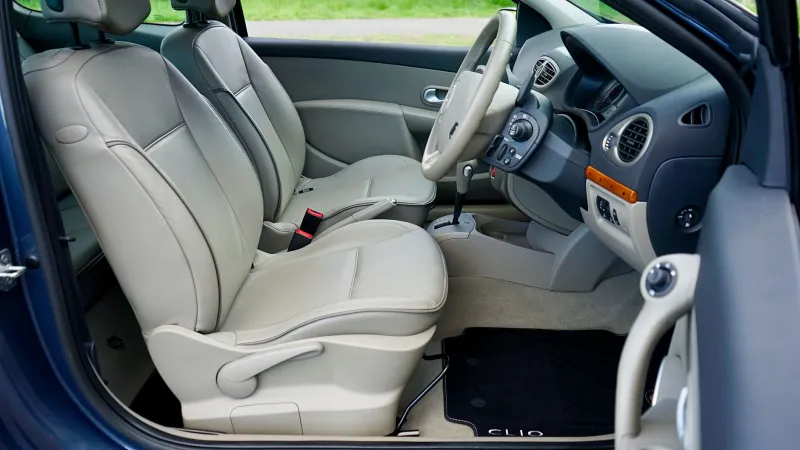
Here's the part dealers don't advertise: appraisers aren't just checking for dents and mechanical issues. They're reading a car's history through its surfaces — the door jambs, the weatherstripping, the condition of the plastic around frequently touched areas like the door handle and gear selector. These spots tell a story about how a car was actually used, not just how it was cleaned before trade-in.
A car with pristine paint but worn, sticky trim around the door handle reads as a car that was cosmetically prepped but lived hard. That inconsistency raises questions, and questions lower offers.
The Takeaway
Resale value isn't just protected by what you do — it's also shaped by what you quietly allow to happen over years of routine use. Parking habits, phone mounts, air fresheners, and third-party add-ons all leave evidence. The drivers who get the best trade-in numbers aren't necessarily the ones who maintained their cars most aggressively. They're the ones who understood what appraisers actually look for — and made small, consistent choices that kept those signals clean.