Why Highway Miles Are Actually Easier on Your Engine Than City Driving — And How This Myth Costs Car Sellers
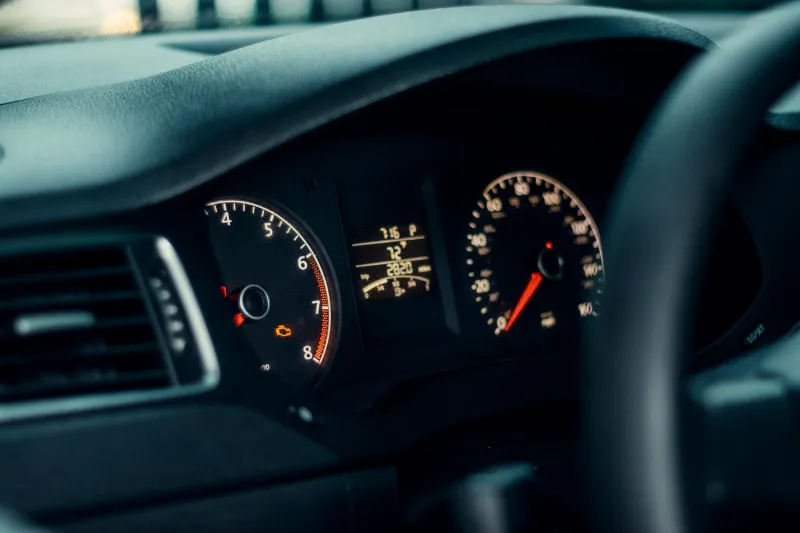
When shopping for a used car, most buyers see a six-digit odometer reading and immediately move on to the next listing. It's become automotive gospel: high mileage equals worn-out car. But this assumption ignores one of the most important factors in engine longevity — the type of driving that accumulated those miles.
The reality? A car with 120,000 highway miles often has an engine in significantly better condition than one with 60,000 city miles. Yet this misunderstanding continues to cost sellers money and leads buyers to pass on genuinely solid vehicles.
The Science Behind Why Highway Miles Are Easier
Engines are designed to run efficiently at consistent speeds and temperatures. Highway driving provides exactly these conditions. When you're cruising at 65 mph for hours, your engine operates in its sweet spot — steady RPMs, optimal operating temperature, and minimal stress on components.
City driving tells a completely different story. Stop-and-go traffic forces your engine through constant temperature fluctuations. Each cold start requires extra fuel to run properly, washing oil from cylinder walls. Traffic light acceleration puts stress on transmission components. Most damaging of all, short trips rarely allow the engine to reach full operating temperature, preventing moisture from burning off and leading to oil contamination.
Consider this: a delivery truck making 50 stops per day around town will experience far more engine stress than a highway patrol car covering 200 miles on the interstate. The odometer doesn't distinguish between these vastly different usage patterns.
What Really Wears Out Your Engine
Mechanical engineers measure engine wear in "cycles" rather than miles. Each time you start your car and bring it up to operating temperature counts as one cycle. A commuter who drives 30 highway miles to work puts their engine through one cycle. Someone making six 5-mile trips around town subjects their engine to six cycles — despite covering the same distance.
This explains why taxi cabs in Manhattan often need major engine work at relatively low mileage, while over-the-road truckers routinely see 500,000+ miles before overhauls. It's not about the distance — it's about how that distance accumulated.
Oil analysis from fleet vehicles consistently shows this pattern. Highway-driven cars maintain cleaner oil longer, experience less bearing wear, and show fewer signs of combustion byproduct contamination. The constant temperature and load create ideal lubrication conditions.
The Financial Impact of This Misunderstanding
This mileage myth costs both buyers and sellers real money. Sellers with high-mileage highway cars often price their vehicles below market value, assuming buyers won't be interested. They're usually right — not because the car isn't reliable, but because buyers don't understand the difference.
Meanwhile, buyers focus exclusively on odometer readings, missing opportunities to purchase well-maintained vehicles at below-market prices. A highway-driven car with 150,000 miles might be mechanically superior to a city-driven car with 80,000 miles, but the market rarely reflects this reality.
Insurance companies and fleet managers understand this distinction. Many commercial policies actually charge lower rates for highway-driven vehicles because claims data shows they're more reliable. Yet individual buyers continue making decisions based solely on mileage.
How to Identify Highway vs. City Miles
Smart buyers look beyond the odometer. Highway-driven cars often show specific wear patterns: even tire wear (no constant turning), less brake wear (minimal stopping), and cleaner engine bays (consistent airflow). The interior typically shows less wear too — highway driving means fewer door openings, seat adjustments, and radio fiddling.
Maintenance records tell the real story. Highway cars often go longer between oil changes because the oil stays cleaner. Brake pads last significantly longer. Transmission fluid remains in better condition due to steady operation rather than constant shifting.
Conversation with the seller reveals usage patterns. A car driven by a long-distance commuter, traveling salesperson, or retiree who takes frequent road trips likely accumulated mostly highway miles. Urban delivery vehicles, short-commute cars, or vehicles used primarily for errands tell a different story.
The Hidden Truth About Mileage
The automotive industry has known this for decades, but the information rarely reaches consumers. Warranty companies adjust their coverage based on usage patterns, not just mileage. Fleet managers specifically seek highway-driven vehicles when purchasing used commercial vehicles.
Yet the myth persists because it's simpler to judge a car by its odometer than to investigate how those miles accumulated. This oversimplification continues to distort the used car market, creating opportunities for informed buyers and financial losses for uninformed sellers.
What This Means for Your Next Car Purchase
Next time you're car shopping, ask about driving patterns before dismissing high-mileage vehicles. A highway-driven car with 120,000 miles might be a better purchase than a city-driven car with 70,000 miles — and it'll likely cost thousands less.
The odometer tells you how far a car has traveled. But understanding how it traveled those miles tells you how much life it has left.