Your Dealer's Annual Fuel System Cleaning Recommendation Isn't About Your Engine — It's About Their Revenue
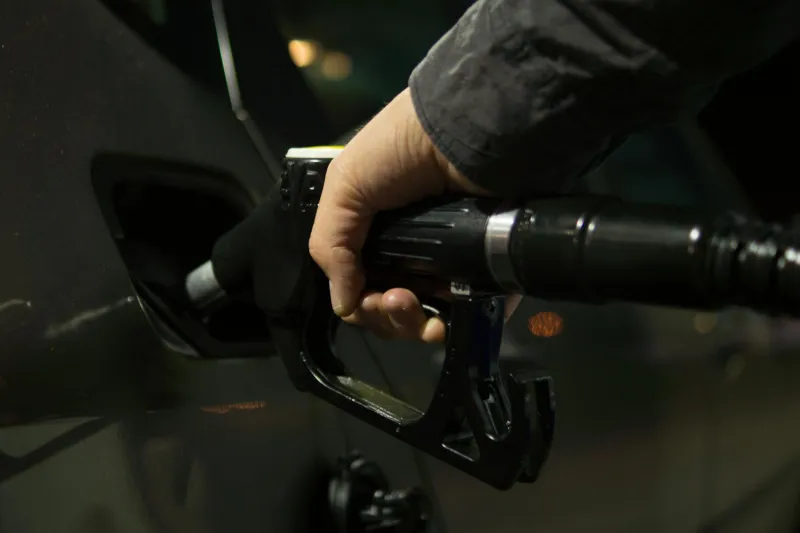
The Service Everyone Gets Sold
Walk into any quick-lube shop or dealership for routine maintenance, and you'll almost certainly hear about fuel system cleaning. The pitch is compelling: over time, your fuel injectors accumulate deposits that reduce performance and fuel economy. A simple cleaning service will restore lost power and improve efficiency. At $150-300, it seems like preventive maintenance that makes financial sense.
Millions of drivers accept this recommendation annually, convinced they're protecting their engine investment. The service has become so routine that many people schedule it automatically, like oil changes or tire rotations. But the engineering reality behind modern fuel systems tells a very different story.
How Modern Fuel Systems Actually Work
Today's fuel injection systems operate at extremely high pressures and temperatures that naturally prevent most deposit formation. Unlike the carburetors of decades past, which relied on relatively crude fuel metering, electronic fuel injection precisely controls fuel delivery through tiny, precisely machined orifices.
The fuel itself plays a crucial role in system cleanliness. All gasoline sold in the United States contains detergent additives mandated by EPA regulations since 1995. These additives are specifically designed to prevent injector deposits and keep fuel systems clean during normal operation.
Top Tier gasoline — sold by major brands like Shell, Chevron, and Mobil — contains even higher concentrations of cleaning additives. When you use quality fuel regularly, the fuel system essentially cleans itself with every tank. The detergents dissolve deposits as they form, preventing the accumulation that would actually require intervention.
When Cleaning Is Actually Necessary
Genuine fuel system contamination does occur, but under specific circumstances that don't affect most drivers. Vehicles that sit unused for extended periods can develop fuel system issues as gasoline degrades and leaves residues. Cars that consistently use the cheapest, lowest-quality fuel from questionable sources might eventually accumulate deposits.
Certain driving patterns can also contribute to deposit formation. Vehicles used exclusively for short trips that never reach full operating temperature may not burn off fuel residues as effectively. But even in these cases, the solution is often changing driving habits or fuel quality rather than expensive cleaning services.
The symptoms of actual fuel system contamination are usually obvious: rough idling, hesitation during acceleration, or check engine lights related to fuel delivery. These problems don't develop gradually over time in well-maintained vehicles — they appear suddenly when contamination reaches levels that actually affect performance.
The Business Model Behind the Service
Understanding why fuel system cleaning became a standard upsell requires looking at the economics of automotive service. Labor rates have increased dramatically over decades, but many routine maintenance tasks have become simpler and faster to perform. Service departments need additional revenue streams to maintain profitability.
Fuel system cleaning offers ideal profit margins. The actual cleaning chemicals cost just a few dollars, and the service can be performed quickly while other maintenance work is completed. The equipment required is relatively inexpensive, and the procedure doesn't require highly skilled technicians.
More importantly, the service is nearly impossible for customers to verify. Unlike brake pads or oil filters that can be visually inspected, fuel injector cleanliness isn't something drivers can evaluate themselves. The performance improvements promised by the service are subtle enough that confirmation bias often convinces customers the service was worthwhile.
Why the Myth Persists
The fuel system cleaning myth persists because it builds on legitimate automotive history. Older vehicles with carburetors did require periodic cleaning, and early fuel injection systems were more susceptible to deposit formation. Many mechanics learned their trade when these services were actually necessary.
Automotive marketing reinforces the misconception. Fuel system cleaning products are heavily advertised to both consumers and service providers, with impressive before-and-after photos that may not represent typical conditions. The messaging emphasizes prevention and maintenance, appealing to drivers' desire to protect their investment.
The complexity of modern engines also works in favor of the myth. When customers don't understand how fuel injection systems work, recommendations from trained technicians carry significant weight. The service sounds technical and important, and most drivers lack the knowledge to question its necessity.
What Actually Improves Fuel System Performance
If you want to maintain optimal fuel system performance, focus on fuel quality rather than periodic cleaning services. Using Top Tier gasoline provides the detergent additives your engine actually needs to stay clean. The extra cost per tank is minimal compared to unnecessary cleaning services.
Regular driving at highway speeds helps too. Extended operation at normal temperatures allows the engine to burn off residues and maintain optimal performance. Short trips and excessive idling can contribute to deposit formation, but the solution is driving habits rather than chemical cleaning.
Actual fuel system problems — like clogged fuel filters or failing fuel pumps — require proper diagnosis and component replacement rather than cleaning services. These issues have specific symptoms and can be tested with appropriate diagnostic equipment.
The Real Maintenance Your Car Needs
Instead of annual fuel system cleaning, focus maintenance spending on services that actually matter. Regular oil changes with quality oil, proper tire maintenance, and timely replacement of air and cabin filters provide measurable benefits for vehicle performance and longevity.
Brake fluid replacement, coolant system maintenance, and transmission service (when actually needed based on driving conditions) address real wear items that degrade over time. These services prevent expensive failures rather than addressing imaginary problems.
If you're concerned about fuel system performance, the most effective step is simply using quality gasoline from reputable stations. The detergent additives in that fuel provide ongoing cleaning that's more effective than periodic chemical treatments.
Recognizing Unnecessary Services
Fuel system cleaning exemplifies a broader category of automotive services that sound important but address problems that don't actually exist in modern vehicles. Learning to recognize these recommendations helps you avoid wasting money on unnecessary maintenance.
Services that promise to "restore" performance or efficiency without diagnosing specific problems are often unnecessary. Legitimate maintenance addresses measurable wear or replaces components that have finite service lives. Cleaning services for systems that are designed to stay clean during normal operation rarely provide value.
The hidden real behind many routine service recommendations is revenue generation rather than vehicle maintenance. Understanding what your car actually needs versus what generates profit for service providers helps you make better decisions about where to spend your maintenance budget.