The One Interior Detail That's Quietly Costing You Thousands at Trade-In Time
The One Interior Detail That's Quietly Costing You Thousands at Trade-In Time
Most people preparing to sell a car follow the same checklist. Wash and wax the exterior. Pull together the maintenance records. Maybe swap out a worn wiper blade or two. And then they wonder why the dealer's offer came in $2,000 lower than expected — or why private buyers kept walking away after a single test drive.
Here's what those sellers didn't realize: the deal was already dead before anyone turned the key.
What Buyers Actually Notice First
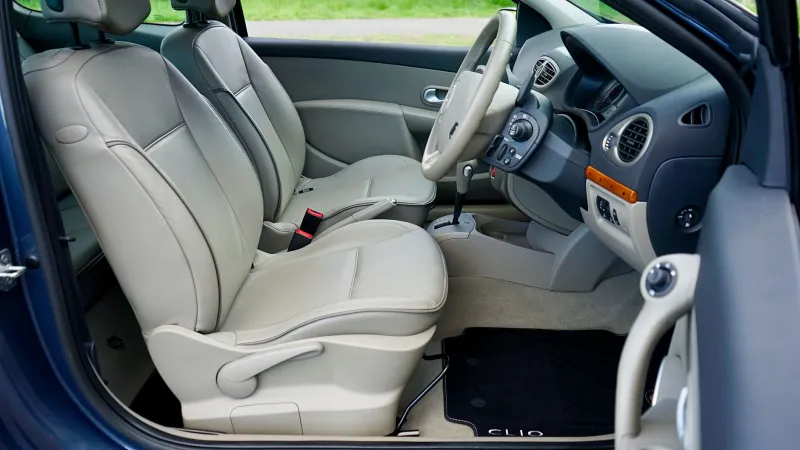
There's a well-documented pattern in how people evaluate used cars, and it has almost nothing to do with what's under the hood. The moment a prospective buyer opens the car door, their brain is already running an assessment — and it's almost entirely sensory. What do they smell? What do they see at eye level? Does the cabin feel like a place they'd want to spend time?
The answer to those questions determines whether they're emotionally engaged or mentally checking out. And once someone has mentally checked out, no service record in the world is going to bring them back.
The biggest offenders? Cabin odor, sun-faded dashboards, and stained headliners. These three factors consistently rank at the top of what makes used car buyers walk — or lowball — according to automotive retail research and dealer feedback alike.
Why Smell Is the Dealbreaker Nobody Admits To
Odor is the most underestimated value-killer in the used car market. Cigarette smoke is the obvious one, but it's far from the only culprit. Pet dander, mildew from a slow leak, years of fast food, or even a gym bag left in the trunk too many times — all of these smells embed themselves into fabric, foam, and carpet in ways that are genuinely difficult to reverse.
The problem is that owners stop noticing the smell of their own car. It happens gradually, and by the time you're ready to sell, you're essentially nose-blind to something a buyer will notice within two seconds of opening the door.
Dealers know this. When a trade-in comes in smelling like smoke or wet dog, it gets flagged immediately — and that flag translates directly into a lower offer. Not because the car is mechanically compromised, but because the dealer knows it's going to cost time and money to make the cabin acceptable to the next buyer. They're not wrong to price that in. But sellers who don't address it first are essentially handing that cost over for free.
The fix is often cheaper than people expect. A professional ozone treatment at a detailer typically runs $75 to $150 and can neutralize embedded odors that no air freshener will touch. Enzyme-based fabric cleaners — available at any auto parts store for under $20 — can handle most pet and food smells with some elbow grease. That $40 to $100 investment can recover $500 to $2,000 in perceived value, depending on the car and the buyer.
The Dashboard Nobody Wants to Inherit
Sun fading is another silent value-killer that owners tend to overlook because it happens so slowly. A dashboard that spent five summers parked in a Phoenix driveway or a Florida strip mall lot tells a story — and that story is one of heat stress, UV damage, and deferred care.
Cracked, bleached, or warped dashboards make a car feel old and neglected regardless of what the odometer says. A 60,000-mile car with a sun-ravaged interior can feel more worn-out than a 100,000-mile car with a clean, well-maintained cabin.
The perception issue matters because buyers anchor their emotional valuation early. If the interior feels tired, they start mentally discounting the entire vehicle — even if the engine runs perfectly and the tires are nearly new.
Dashboard conditioner and UV protectant products can restore some surface appearance on lightly faded interiors, but heavily cracked or warped plastic is harder to reverse. The real lesson here is prevention: a $15 windshield sunshade used consistently can preserve dashboard condition for years, which pays dividends when it's time to sell.
The Headliner That Tells a Thousand Stories
Headliners — the fabric ceiling of your car's interior — are one of the most overlooked surfaces in routine cleaning, and one of the most scrutinized by buyers. Stains from roof leaks, sunroof condensation, spilled drinks, or even haircare products leave marks that are immediately visible and immediately off-putting.
A stained headliner signals one of two things to a buyer: either the car had a water intrusion problem (a serious concern), or the previous owner simply didn't take care of it. Neither interpretation is good. Either way, the buyer's guard goes up — and their offer goes down.
Cleaning a headliner is a delicate job because the material can sag or separate if it gets too wet. But light stains can often be addressed with an upholstery foam cleaner and a soft cloth, applied carefully. For more significant staining or sagging, a professional headliner replacement typically runs $200 to $400 — still a reasonable investment if it prevents a $1,500 hit on the sale price.
Why This Myth Persists
The reason sellers keep prioritizing mechanical condition and exterior appearance over interior presentation comes down to a fundamental misunderstanding of how used car purchases actually work.
People think car buying is a rational process — compare specs, check the maintenance history, evaluate the mechanical condition, negotiate on price. And to some extent, it is. But the decision to buy a specific car is made emotionally, and the emotional trigger is almost always the interior experience.
Cars are intimate spaces. People spend hours inside them. They instinctively evaluate whether a car feels like their car — whether they can picture themselves in it. A clean, fresh-smelling, well-preserved interior says: someone took care of this. A stale, faded, spotted cabin says the opposite, no matter what the Carfax report shows.
The Takeaway
Before you spend $400 on a pre-sale tune-up or obsess over the exterior paint correction, walk around to the passenger side, open the door, and experience your car the way a stranger would. Take a breath. Look up at the headliner. Check the dash. If what you encounter gives you any pause at all, that's exactly what the next buyer is going to feel — and price into their offer accordingly.
The good news is that interior presentation is one of the most fixable variables in the entire resale equation. A few targeted products, a couple of hours, and sometimes a single professional treatment can shift a buyer's perception more meaningfully than almost any mechanical upgrade. The hidden real here is simple: cars are emotional purchases, and the nose and eyes close the deal long before the engine does.