Not Every Modification Kills Your Resale Value — You're Just Doing the Wrong Ones
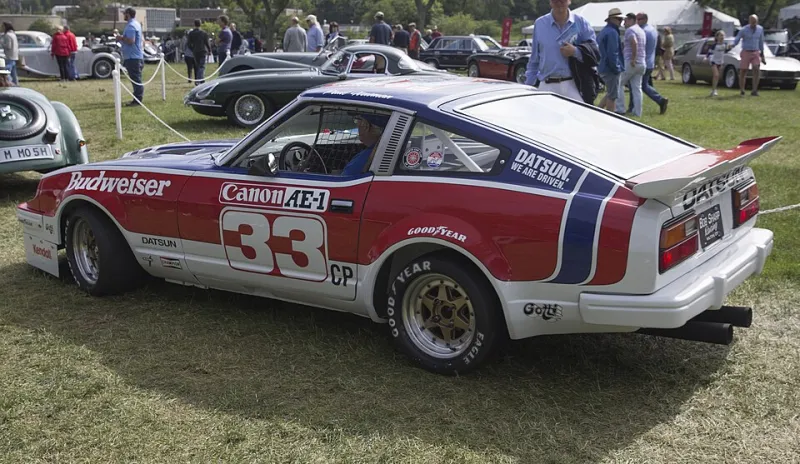
Photo: Mr.choppers, CC BY-SA 3.0, via Wikimedia Commons
Not Every Modification Kills Your Resale Value — You're Just Doing the Wrong Ones
Somewhere along the way, "don't modify your car if you ever want to sell it" became one of those pieces of automotive advice that gets passed around like it's settled science. Keep it stock. Keep it clean. Keep it boring. That's how you protect resale value.
Except that's only half the story — and the half that gets left out is costing some owners real money.
Where the Conventional Wisdom Comes From
The advice isn't baseless. There's a genuine version of this concern rooted in real experience. A car with a poorly installed body kit, an exhaust that sounds like a garbage disposal, and suspension lowered by someone who watched three YouTube videos is genuinely harder to sell to most buyers. It raises questions about how the car was treated, what else might have been done, and what problems might be hiding under the surface.
Used car buyers — especially those shopping the mainstream market — are risk-averse. They want a vehicle that's predictable. Visible modifications signal unpredictability, and that perception often translates into lower offers or a smaller pool of interested buyers.
So yes, certain modifications hurt resale value. But "certain modifications" and "all modifications" are not the same thing, and treating them as equivalent leads to some genuinely bad decisions.
The Modifications That Actually Attract Buyers
There's a category of vehicle and buyer that the standard resale advice completely ignores: the enthusiast market.
Take a well-documented Subaru WRX with a reputable cold air intake, upgraded brake pads, and a set of quality aftermarket wheels on original suspension. To a general buyer, that might look like a red flag. To the WRX community — and there's a substantial, active one — that's a car someone took care of and spent money on thoughtfully. Those buyers exist, they search specifically for what you have, and they're often willing to pay more than the generic used car market would offer.
 Photo: Subaru WRX, via autoimage.capitalone.com
The same logic applies to trucks with well-installed lift kits and documented off-road upgrades, sports cars with reputable performance tuning, and certain muscle cars with tasteful, period-correct modifications. The buyer pool is narrower, but the motivated buyers in that pool can be significantly more willing to pay.
The key phrase is motivated buyer. A modification doesn't have to appeal to everyone. It has to appeal to the right someone.
Reversibility Changes Everything
One of the most underappreciated factors in modification resale math is whether the change is reversible. This is where a lot of owners make an unnecessary mistake.
If you've upgraded your wheels and kept the originals in the garage, you can sell the car two ways: with the aftermarket wheels as a premium feature, or with the stock wheels reinstalled for buyers who prefer stock. That flexibility is real value. You haven't narrowed your options — you've expanded them.
The same goes for suspension upgrades when original parts are retained, performance exhaust systems that bolt on and off, and electronic tune files that can be reverted. The modification exists, but so does the exit strategy.
Conversely, modifications that permanently alter the vehicle — cut springs, welded components, irreversible body work — eliminate that flexibility entirely. You've committed every future buyer to living with your choices, and many of them won't want to.
Documentation Is the Difference Between Confidence and Concern
Here's something that rarely gets mentioned in the standard "mods kill value" conversation: documentation changes how buyers perceive modifications entirely.
A car with an unknown history of modifications is a risk. A car with a folder of receipts showing professional installation, quality parts, and maintained service records is a different proposition. The buyer can evaluate what was done, who did it, and how the car has been maintained around those changes. That transparency reduces the perceived risk dramatically.
Owners who modify their cars and keep detailed records — shop invoices, part numbers, installation dates — are doing something that most modified-car sellers never bother with. And it shows in how their cars are received at sale time.
The Modifications That Genuinely Do Damage
To be clear about what actually signals trouble to buyers:
Cosmetic changes that can't be undone. Painted trim, modified body panels, and custom paint jobs narrow your buyer pool significantly. Color and style are deeply personal, and what you love, the next owner may despise.
Modifications that raise mechanical questions. A car with an unknown tune, a stripped intake system, or aftermarket engine internals makes a careful buyer wonder what else was done — and what it might cost to fix. This is especially true when there's no documentation.
Cheap parts installed carelessly. The modification itself is often less of the problem than how it was done. A quality coilover suspension installed by a reputable shop reads very differently than a set of cut springs with mismatched hardware.
Modifications that void or complicate warranty coverage. For newer vehicles still within warranty range, anything that creates liability around coverage is a genuine concern for the next buyer.
Relocating Value, Not Destroying It
The most useful reframe here is this: a modification doesn't necessarily destroy value — it often relocates it. You move from the broad mainstream market to a more specific buyer pool. Whether that's better or worse for you depends entirely on how large that enthusiast pool is, how motivated those buyers are, and how well you've documented and maintained the vehicle.
For some cars and some modifications, that relocation is a clear financial win. For others, it's a loss. The difference isn't whether you modified the car — it's whether you understood the market you were modifying it for.
The Takeaway
The rule that modifications kill resale value is a useful shorthand that's been stretched way past its actual meaning. The real rule is more nuanced: thoughtless, irreversible, undocumented modifications to mainstream vehicles hurt resale. Deliberate, quality, reversible modifications to enthusiast-market vehicles — properly documented — often don't. Knowing which category you're in before you start is the part most people skip.