The Trade-In Number the Dealer Quotes You Has Almost Nothing to Do With Your Car

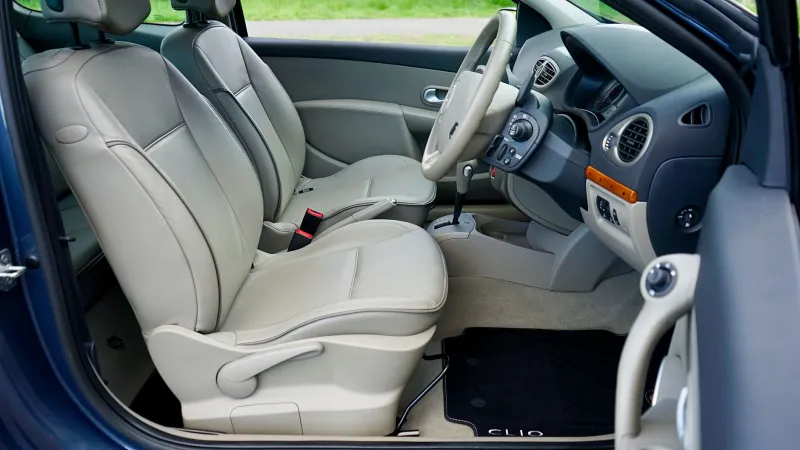
Photo: Graham Robson , CC BY-SA 2.0, via Wikimedia Commons
You spent the weekend cleaning your car, digging receipts out of the glove box, and looking up Kelley Blue Book values. You walked into the dealership feeling prepared. The appraiser took your keys, drove around the block, tapped a few things into a tablet, and handed you a number that felt... low.
You assumed it was because of the small door ding. Or maybe the miles. Or the fact that the interior isn't quite showroom fresh.
Here's what's more likely: the number they handed you had very little to do with your car at all.
What You Think the Appraisal Is Measuring
The common belief is that a trade-in appraisal works like a home inspection — a trained professional evaluates the condition of what you're selling, compares it to similar vehicles in the market, and arrives at a fair number. Condition matters, mileage matters, service history matters.
And yes, all of those things technically factor in. But they're not the primary driver of that offer. Not even close.
What the Appraisal Is Actually Measuring
Dealerships don't operate in a vacuum. They manage rotating inventory across dozens or hundreds of vehicles at any given time, and they're constantly watching which segments are moving and which ones are sitting. A used car that sells in four days is worth a lot more to a dealer than one that's been on the lot for six weeks collecting dust.
When an appraiser evaluates your trade-in, they're not just asking "what is this car worth?" They're asking a more specific question: "What is this car worth to us, right now, given what we already have on the lot?"
If they're overstocked on mid-size sedans, your perfectly maintained Camry becomes less attractive — not because of anything wrong with the car, but because they already have eight of them sitting out front. Conversely, if they're short on fuel-efficient compact SUVs and demand is high in your region, you might get an offer that surprises you on the upside.
This is inventory-driven pricing, and it's the real engine behind most trade-in appraisals.
The Regional Demand Layer
Beyond what's on a specific dealer's lot, regional market demand plays a significant role. A four-wheel-drive pickup truck trades at a premium in rural Montana in November. That same truck in a dense urban market in the South might sit for weeks. Dealers are plugged into regional auction data and local demand trends, and they adjust offers accordingly.
This is why the same car can receive meaningfully different offers from two dealerships in the same city — or dramatically different offers from dealers in different states. The car didn't change. The market context did.
Internal Targets and Monthly Timing
There's another layer most drivers never think about: internal sales cycles. Dealerships operate on monthly targets, and the urgency to acquire trade-in inventory shifts depending on where they are in that cycle. Near the end of a strong sales month, a dealer may be more selective. At the start of a slow month, or when a used car manager is trying to hit an acquisition number, the same car might get a noticeably better offer.
Some experienced car sellers have figured this out through trial and error — getting dramatically different quotes from the same dealer just a few weeks apart with no changes to the vehicle.
Why This Misconception Persists
The appraisal process looks objective. The appraiser checks the tires, looks under the hood, notes the mileage, and runs the VIN through a system. All of that creates the impression of a standardized valuation process. But the tools they're using — including platforms like Manheim Market Report and Black Book — are inputs into a decision that's ultimately shaped by business context, not just vehicle data.
 Photo: Manheim Market Report, via diminishedvalueofgeorgia.com
Dealers aren't obligated to explain this. And most buyers, already focused on the new car they're purchasing, don't press hard on the trade-in side of the transaction.
What You Can Actually Do About It
The most useful thing you can take from this is that trade-in offers are negotiable in ways that go beyond your car's condition. A few practical moves:
Get competing offers before you walk in. Platforms like CarMax, Carvana, and Vroom will give you written offers that don't depend on what any one dealer needs that week. These become your floor — and a real negotiating tool.
Pay attention to what's on the lot. If a dealer has a glut of vehicles similar to yours, consider shopping elsewhere. If they're visibly short on your segment, that's leverage.
Time your trade-in. End-of-month visits sometimes yield better results, particularly with dealers who are motivated to hit acquisition numbers. It's not guaranteed, but it's a real pattern.
Don't combine the trade-in and purchase negotiation. Dealers are skilled at adjusting numbers across both sides of the deal to make the overall transaction look favorable. Negotiate them separately.
The Takeaway
Your trade-in appraisal is less of an assessment and more of a business offer shaped by factors you can't see from the showroom floor. That doesn't make dealers dishonest — it makes them businesses. But once you understand what's actually driving that number, you stop treating it as a verdict on your car and start treating it as the opening position it really is.