Your Spare Tire Isn't Built for the Journey You Think It Is
Your Spare Tire Isn't Built for the Journey You Think It Is
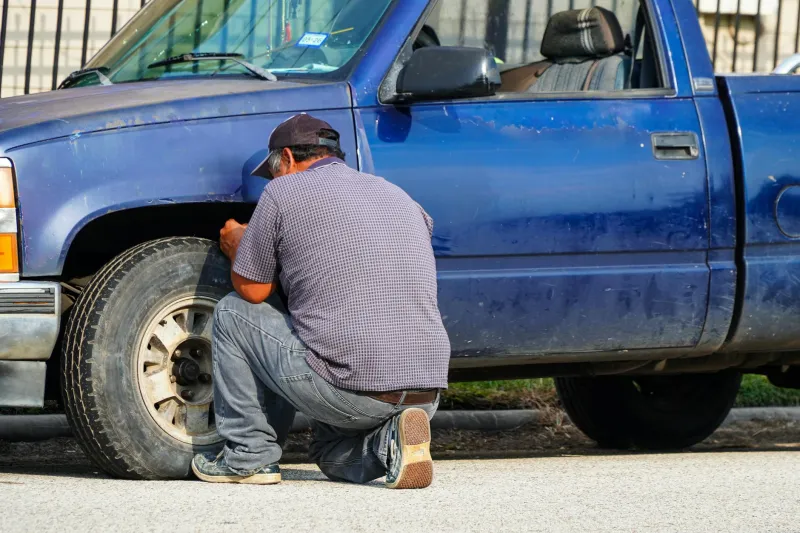
It's 2 AM on a dark interstate, and you've just changed your flat tire for the compact spare sitting in your trunk. The relief of getting back on the road feels great—until you realize you're still 200 miles from home, and that little "donut" tire wasn't designed for the journey you're about to ask it to make.
Most Americans treat spare tires like temporary full-size replacements, driving on them for days or weeks until it's convenient to visit a tire shop. But that compact spare was engineered with very different expectations in mind.
The Great Spare Tire Redesign
Modern spare tires are dramatically different from the full-size spares that came standard in vehicles through the 1980s. The shift to compact spares—those skinny "donut" tires—wasn't about cutting costs, though that was certainly a factor. It was about weight, fuel economy, and trunk space in an era of increasingly efficient vehicle design.
A full-size spare tire and wheel can weigh 40-60 pounds and take up significant cargo space. A compact spare typically weighs 25-30 pounds and fits in a much smaller compartment. For automakers trying to meet fuel economy standards, that weight reduction translates to measurable improvements in EPA ratings.
But this space and weight savings came with engineering compromises that fundamentally changed what a spare tire could safely do.
The Engineering Reality
Compact spare tires are built with different materials, construction methods, and safety margins than regular tires. The rubber compound is often harder and less flexible, designed for short-term use rather than long-term durability. The sidewalls are thinner, and the overall construction prioritizes weight reduction over performance.
Most compact spares are rated for maximum speeds of 50 mph and distances of 50-70 miles. These aren't arbitrary numbers—they reflect the actual engineering limitations of the tire's construction. Exceed these limits, and you're operating outside the tire's designed safety envelope.
The problem is that these limitations are typically buried in the owner's manual, not prominently displayed on the tire itself. Many drivers discover the speed and distance restrictions only after they've been driving on the spare for several days.
Why 50 Miles Matters
The 50-mile distance limitation isn't about tread wear—it's about structural integrity. Compact spares generate more heat than regular tires due to their smaller size and different construction. Over extended distances, this heat buildup can lead to tire failure, potentially at highway speeds.
The narrow profile of compact spares also creates different handling characteristics. Your vehicle's braking distance increases, steering response changes, and traction in wet or snowy conditions is significantly reduced. These changes become more pronounced and dangerous over longer distances as driver fatigue sets in and road conditions vary.
The Highway Escape Plan
The original engineering intent behind compact spares was simple: get disabled vehicles off the highway and to the nearest tire shop safely. They were designed as emergency transportation, not temporary solutions for extended driving.
This purpose is reflected in the spare tire's capabilities. Fifty miles at 50 mph is sufficient to reach tire service in most areas, even in rural locations. The speed limitation ensures that drivers can safely merge with traffic and maintain reasonable highway speeds without exceeding the tire's engineering envelope.
But American driving patterns don't always align with these engineering assumptions. When the nearest tire shop is 100 miles away, or when a flat happens on Friday evening before a weekend camping trip, the spare tire's limitations become problematic.
The Run-Flat Alternative
Many newer vehicles have eliminated spare tires entirely in favor of run-flat tires or tire repair kits. Run-flat tires can continue operating for 50-100 miles after losing air pressure, but they're designed to get you to safety, not to serve as permanent replacements.
The engineering principle remains the same: provide emergency mobility to reach professional tire service, not extended driving capability. Run-flat tires that have been driven without pressure must be replaced, even if they appear undamaged.
This shift reflects automakers' recognition that most drivers misuse spare tires, treating emergency equipment as extended-use solutions.
The Real-World Disconnect
The gap between spare tire engineering and driver expectations has created dangerous situations across American highways. Insurance claims data shows incidents of spare tire failures at highway speeds, often after drivers have exceeded the recommended distance or speed limitations.
Part of this disconnect comes from the visual similarity between compact spares and regular tires. They look like smaller versions of normal tires, creating the assumption that they function similarly with proportionally reduced capabilities.
But engineering doesn't scale linearly. A tire that's 20% smaller isn't simply 20% less capable—it's fundamentally different in construction and performance characteristics.
What Spare Tires Actually Deliver
Understanding spare tire limitations doesn't mean they're inadequate—it means they're specialized tools with specific applications. For their intended purpose—emergency highway evacuation and short-distance transportation to tire service—compact spares work excellently.
The key is matching expectations to capabilities. A spare tire can safely get you off a dangerous highway, through a bad neighborhood, or to the nearest town with tire service. It's not designed to get you home from a cross-country road trip or to serve as a temporary solution while you shop for replacement tire deals.
Planning for Reality
The most effective approach to spare tire use involves planning for their limitations rather than hoping they'll exceed their design parameters. This means identifying tire shops along your route before long trips, understanding the spare's speed and distance limitations, and treating spare tire installation as an urgent maintenance issue rather than a minor inconvenience.
Modern roadside assistance services have evolved to address the gap between spare tire capabilities and driver needs, offering mobile tire installation and extended towing services that can handle situations where spare tires fall short.
The hidden reality is that your spare tire is exactly as capable as it was designed to be—which is more limited than most drivers expect. Understanding these limitations isn't about accepting inferior equipment; it's about using emergency tools for their intended purpose and planning accordingly.