What you believe and what's actually true.

The Hidden Real

What you believe and what's actually true.

Latest Articles

The 'All-Season' Tire Label That's Been Misleading Drivers for Decades
Driving Habits & Science

The 'All-Season' Tire Label That's Been Misleading Drivers for Decades

That 'all-season' label on your tires sounds like they're ready for anything Mother Nature throws at you. In reality, it's a marketing term describing tires designed to be mediocre in all conditions rather than excellent in any of them.

The Pothole That 'Ruined' Your Alignment Probably Didn't Touch It
Car Ownership Myths

The Pothole That 'Ruined' Your Alignment Probably Didn't Touch It

Hit a nasty pothole and now your mechanic says you need an alignment? The connection between road impacts and wheel alignment problems isn't nearly as direct as most drivers believe. Here's what actually knocks your wheels out of whack.

Why Washing Your Car in the Sun Creates Water Spots—and Why That's Not Even the Real Problem
Driving Habits & Science

Why Washing Your Car in the Sun Creates Water Spots—and Why That's Not Even the Real Problem

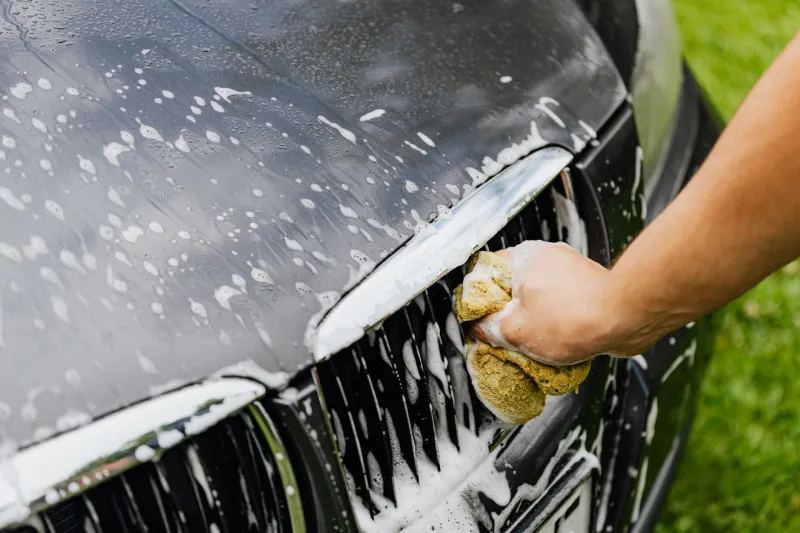
Everyone knows not to wash their car in direct sunlight because of water spots. But the chemistry behind those spots reveals a bigger problem that happens regardless of sunshine—and most car owners are unknowingly making it worse every time they wash.

That Gas Smell in Your Car? Your Fuel Tank Isn't the Problem
Auto Maintenance & Money

That Gas Smell in Your Car? Your Fuel Tank Isn't the Problem

A gasoline odor around your car triggers immediate fears about fuel tank leaks and expensive repairs. The actual source is usually something completely different—and often much simpler to fix.

Your Car Feels Like It's Fighting You? The Problem Isn't Under the Hood
Driving Habits & Science

Your Car Feels Like It's Fighting You? The Problem Isn't Under the Hood

That heavy, unresponsive feeling while driving sends most people straight to expensive engine diagnostics. But mechanics know the real culprits are usually much simpler—and cheaper to fix.

That Mileage Number Everyone Obsesses Over? It's Not What's Actually Destroying Your Car's Value
Car Ownership Myths

That Mileage Number Everyone Obsesses Over? It's Not What's Actually Destroying Your Car's Value

Car owners frantically limit their driving to preserve resale value, but dealers and buyers actually care more about maintenance records and visible wear. A well-documented 90,000-mile vehicle often commands higher prices than a neglected low-mileage car.

The Weekly Car Wash Habit That's Slowly Destroying Your Paint
Auto Maintenance & Money

The Weekly Car Wash Habit That's Slowly Destroying Your Paint

Keeping your car spotless seems like good care, but excessive washing—especially at automated facilities—gradually damages clear coat and creates microscopic scratches. Sometimes the best maintenance is knowing when to leave your car alone.

The Silent Engine Killer That Most Car Owners Don't Know Exists
Auto Maintenance & Money

The Silent Engine Killer That Most Car Owners Don't Know Exists

While most drivers worry about oil changes and brake pads, there's a hidden component that can destroy your entire engine in seconds without any warning. The timing belt failure you never see coming could cost you thousands—or your whole car.

Your Car's Coolant Doesn't Just Stop Working at 100,000 Miles — Here's What Actually Breaks It Down
Auto Maintenance & Money

Your Car's Coolant Doesn't Just Stop Working at 100,000 Miles — Here's What Actually Breaks It Down

Most drivers religiously follow the 100,000-mile coolant flush schedule, but mileage isn't what kills your antifreeze. The real culprits are heat cycles, chemical contamination, and pH shifts that can happen at 30,000 miles or 150,000 miles depending on your driving conditions.

Your Car Battery Isn't Actually Dying Suddenly — You're Just Missing All the Warning Signs
Auto Maintenance & Money

Your Car Battery Isn't Actually Dying Suddenly — You're Just Missing All the Warning Signs

Most drivers think car batteries fail without notice, but the truth is they broadcast warning signals for weeks or months beforehand. Here's how to read the signs you've been ignoring.

Your Car's Brake Pads Aren't Worn Out Just Because You Hear a Squeal — Here's What That Sound Actually Means
Car Ownership Myths

Your Car's Brake Pads Aren't Worn Out Just Because You Hear a Squeal — Here's What That Sound Actually Means

That high-pitched squeal from your brakes doesn't automatically mean you need new pads. Most brake noises are actually harmless and temporary, caused by everything from morning moisture to dust buildup.

Your Car's Air Filter Doesn't Need to Be Changed Every 12,000 Miles — Here's What Actually Determines When It Does
Auto Maintenance & Money

Your Car's Air Filter Doesn't Need to Be Changed Every 12,000 Miles — Here's What Actually Determines When It Does

Most drivers follow rigid air filter replacement schedules, but the real timeline depends entirely on where and how you drive. A simple visual check can save you hundreds in unnecessary maintenance costs.

Your Car's Check Engine Light Doesn't Mean Pull Over — Here's How to Tell When It Actually Does
Car Ownership Myths

Your Car's Check Engine Light Doesn't Mean Pull Over — Here's How to Tell When It Actually Does

That glowing amber dashboard symbol sends most drivers into panic mode, but the truth is more nuanced. Understanding the difference between a steady light and a flashing one could save you unnecessary stress and towing fees.

Your Transmission Fluid Might Last 100,000 Miles — Despite What That Service Center Told You
Auto Maintenance & Money

Your Transmission Fluid Might Last 100,000 Miles — Despite What That Service Center Told You

Quick-lube shops push expensive transmission flushes every 30,000 miles, but your owner's manual tells a very different story. Most modern transmissions are designed with fluid that can last three times longer than what service centers recommend.

That Dashboard Warning Light Everyone Panics Over? It's Not Actually an Emergency Signal
Car Ownership Myths

That Dashboard Warning Light Everyone Panics Over? It's Not Actually an Emergency Signal

The check engine light sends millions of drivers into either full panic mode or complete denial. The reality is that this single orange light represents hundreds of different issues — from a $2 gas cap to a $2,000 repair — and knowing the difference can save you both money and stress.

The Cold Morning Warm-Up Ritual That Modern Cars Don't Actually Need
Driving Habits & Science

The Cold Morning Warm-Up Ritual That Modern Cars Don't Actually Need

Letting your car idle for five or ten minutes on a cold morning feels like the responsible thing to do — and for cars built before the 1980s, it genuinely was. But the engine under your hood today works on completely different principles, and that idling habit may be doing more harm than good.

Premium Gas Doesn't Make Your Car More Powerful — Here's What Octane Actually Does
Auto Maintenance & Money

Premium Gas Doesn't Make Your Car More Powerful — Here's What Octane Actually Does

Millions of American drivers pay 50 to 70 cents more per gallon for premium fuel under the assumption it delivers extra power or keeps their engine cleaner. For most vehicles on the road today, that money is simply wasted — and understanding why starts with knowing what an octane rating actually measures.

That Number on Your Tire Sidewall? Stop Using It to Set Your Tire Pressure
Car Ownership Myths

That Number on Your Tire Sidewall? Stop Using It to Set Your Tire Pressure

Most drivers either skip checking tire pressure entirely or use the wrong number when they do. The figure stamped on the side of your tire isn't the target — it's actually a maximum limit, and confusing the two can quietly put you at risk every time you drive.

Used Cars Are Almost Always the Smarter Buy — Except When They're Not
Driving Habits & Science

Used Cars Are Almost Always the Smarter Buy — Except When They're Not

Personal finance influencers have turned 'always buy used' into something close to gospel. But the used car market of 2024 looks nothing like the one that rule was built for — and the actual math depends on more variables than most people stop to consider.

Stop Letting Your Car Idle in the Driveway on Cold Mornings — It's Not Doing What You Think
Auto Maintenance & Money

Stop Letting Your Car Idle in the Driveway on Cold Mornings — It's Not Doing What You Think

Letting your car run for five or ten minutes before driving on a cold morning feels responsible — like you're protecting something. But for most vehicles built in the last 30 years, that habit doesn't help the engine. It might actually be working against it.