The Hidden Real What you believe and what's actually true.

The Hidden Real

What you believe and what's actually true.

Latest Articles

Your Car's Coolant Doesn't Just Stop Working at 100,000 Miles — Here's What Actually Breaks It Down
Auto Maintenance & Money

Your Car's Coolant Doesn't Just Stop Working at 100,000 Miles — Here's What Actually Breaks It Down

Most drivers religiously follow the 100,000-mile coolant flush schedule, but mileage isn't what kills your antifreeze. The real culprits are heat cycles, chemical contamination, and pH shifts that can happen at 30,000 miles or 150,000 miles depending on your driving conditions.

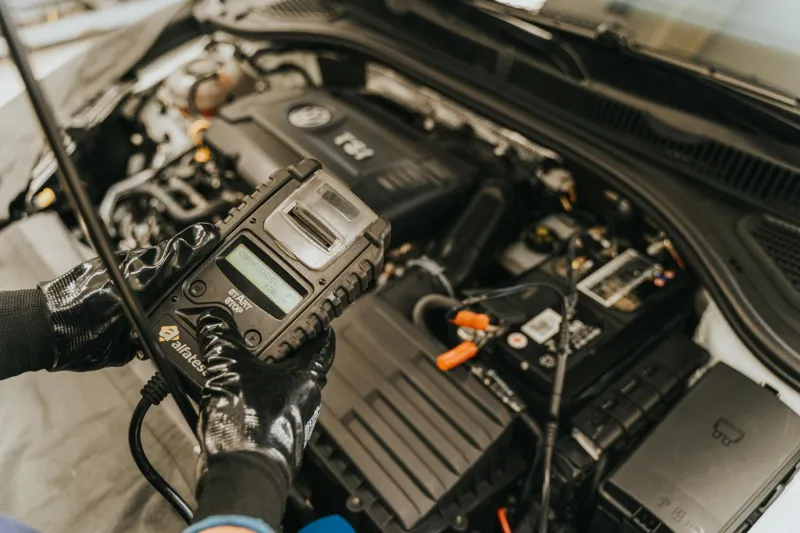
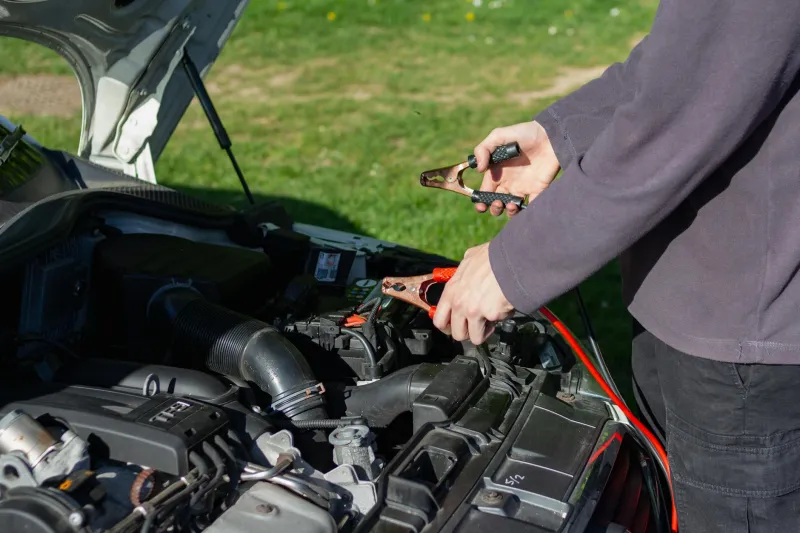
Your Car Battery Isn't Actually Dying Suddenly — You're Just Missing All the Warning Signs
Auto Maintenance & Money

Your Car Battery Isn't Actually Dying Suddenly — You're Just Missing All the Warning Signs

Most drivers think car batteries fail without notice, but the truth is they broadcast warning signals for weeks or months beforehand. Here's how to read the signs you've been ignoring.

Your Car's Brake Pads Aren't Worn Out Just Because You Hear a Squeal — Here's What That Sound Actually Means
Car Ownership Myths

Your Car's Brake Pads Aren't Worn Out Just Because You Hear a Squeal — Here's What That Sound Actually Means

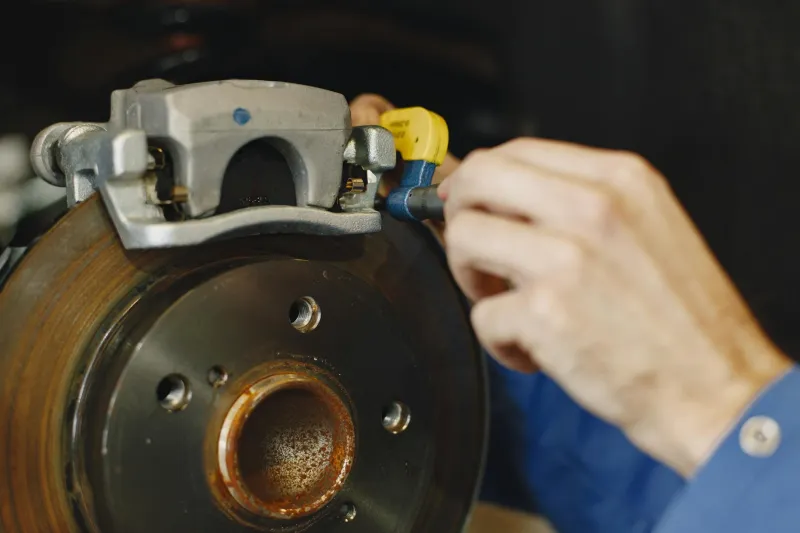
That high-pitched squeal from your brakes doesn't automatically mean you need new pads. Most brake noises are actually harmless and temporary, caused by everything from morning moisture to dust buildup.

Your Car's Air Filter Doesn't Need to Be Changed Every 12,000 Miles — Here's What Actually Determines When It Does
Auto Maintenance & Money

Your Car's Air Filter Doesn't Need to Be Changed Every 12,000 Miles — Here's What Actually Determines When It Does

Most drivers follow rigid air filter replacement schedules, but the real timeline depends entirely on where and how you drive. A simple visual check can save you hundreds in unnecessary maintenance costs.

Your Car's Check Engine Light Doesn't Mean Pull Over — Here's How to Tell When It Actually Does
Car Ownership Myths

Your Car's Check Engine Light Doesn't Mean Pull Over — Here's How to Tell When It Actually Does

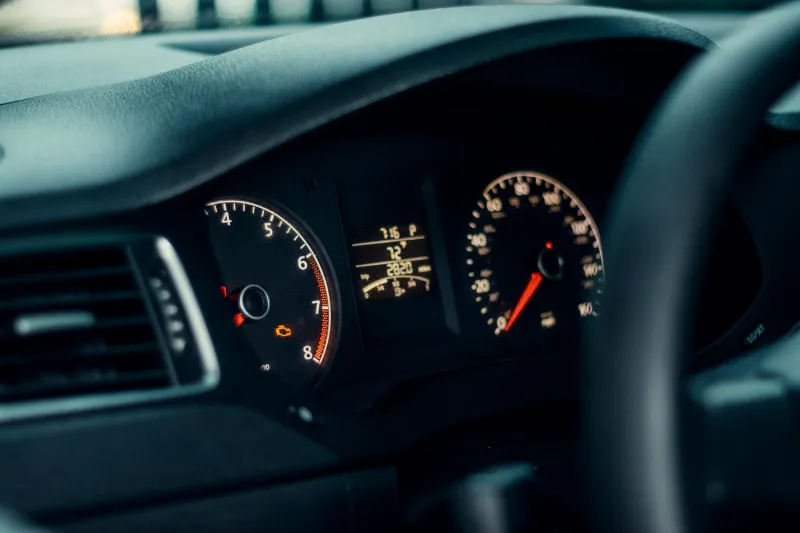
That glowing amber dashboard symbol sends most drivers into panic mode, but the truth is more nuanced. Understanding the difference between a steady light and a flashing one could save you unnecessary stress and towing fees.

Your Transmission Fluid Might Last 100,000 Miles — Despite What That Service Center Told You
Auto Maintenance & Money

Your Transmission Fluid Might Last 100,000 Miles — Despite What That Service Center Told You

Quick-lube shops push expensive transmission flushes every 30,000 miles, but your owner's manual tells a very different story. Most modern transmissions are designed with fluid that can last three times longer than what service centers recommend.

That Dashboard Warning Light Everyone Panics Over? It's Not Actually an Emergency Signal
Car Ownership Myths

That Dashboard Warning Light Everyone Panics Over? It's Not Actually an Emergency Signal

The check engine light sends millions of drivers into either full panic mode or complete denial. The reality is that this single orange light represents hundreds of different issues — from a $2 gas cap to a $2,000 repair — and knowing the difference can save you both money and stress.

Premium Gas Doesn't Make Your Car More Powerful — Here's What Octane Actually Does
Auto Maintenance & Money

Premium Gas Doesn't Make Your Car More Powerful — Here's What Octane Actually Does

Millions of American drivers pay 50 to 70 cents more per gallon for premium fuel under the assumption it delivers extra power or keeps their engine cleaner. For most vehicles on the road today, that money is simply wasted — and understanding why starts with knowing what an octane rating actually measures.

The Cold Morning Warm-Up Ritual That Modern Cars Don't Actually Need
Driving Habits & Science

The Cold Morning Warm-Up Ritual That Modern Cars Don't Actually Need

Letting your car idle for five or ten minutes on a cold morning feels like the responsible thing to do — and for cars built before the 1980s, it genuinely was. But the engine under your hood today works on completely different principles, and that idling habit may be doing more harm than good.

That Number on Your Tire Sidewall? Stop Using It to Set Your Tire Pressure
Car Ownership Myths

That Number on Your Tire Sidewall? Stop Using It to Set Your Tire Pressure

Most drivers either skip checking tire pressure entirely or use the wrong number when they do. The figure stamped on the side of your tire isn't the target — it's actually a maximum limit, and confusing the two can quietly put you at risk every time you drive.

Used Cars Are Almost Always the Smarter Buy — Except When They're Not
Driving Habits & Science

Used Cars Are Almost Always the Smarter Buy — Except When They're Not

Personal finance influencers have turned 'always buy used' into something close to gospel. But the used car market of 2024 looks nothing like the one that rule was built for — and the actual math depends on more variables than most people stop to consider.

Stop Letting Your Car Idle in the Driveway on Cold Mornings — It's Not Doing What You Think
Auto Maintenance & Money

Stop Letting Your Car Idle in the Driveway on Cold Mornings — It's Not Doing What You Think

Letting your car run for five or ten minutes before driving on a cold morning feels responsible — like you're protecting something. But for most vehicles built in the last 30 years, that habit doesn't help the engine. It might actually be working against it.

That Number on the Window Sticker? It's Not Lying Exactly — But It's Not the Whole Truth Either
Car Ownership Myths

That Number on the Window Sticker? It's Not Lying Exactly — But It's Not the Whole Truth Either

The fuel economy figure on a new car's window sticker looks like a promise. It isn't. Here's what that number actually measures — and why your real-world mileage will almost certainly look different.

Stop Letting Your Car Idle on Cold Mornings — It's Not Helping the Way You Think
Driving Habits & Science

Stop Letting Your Car Idle on Cold Mornings — It's Not Helping the Way You Think

Millions of Americans start their cars and walk back inside on cold winter mornings, convinced they're doing their engine a favor. The science tells a different story — and the habit actually traces back to a type of engine that almost no one drives anymore.

The 3,000-Mile Oil Change Rule Is Costing You Money — And It's Been Obsolete for Years
Auto Maintenance & Money

The 3,000-Mile Oil Change Rule Is Costing You Money — And It's Been Obsolete for Years

If you're still pulling into a quick-lube shop every 3,000 miles, you're probably spending twice what you need to on oil changes. The rule that won't die has a surprisingly commercial origin — and modern engine technology left it behind a long time ago.

That Little 'E' on Your Gas Gauge Is Lying to You — In the Best Possible Way
Car Ownership Myths

That Little 'E' on Your Gas Gauge Is Lying to You — In the Best Possible Way

When your fuel gauge hits 'E,' most drivers go into full panic mode. But automakers have been quietly building a safety net into your gas tank for decades — and understanding it could save you a lot of unnecessary stress, and maybe your fuel pump too.